Available now
The work got faster.
Then the floor moved.
You still answer for all of it. You stop operating one thing and start directing ten, each running a hundred underneath.
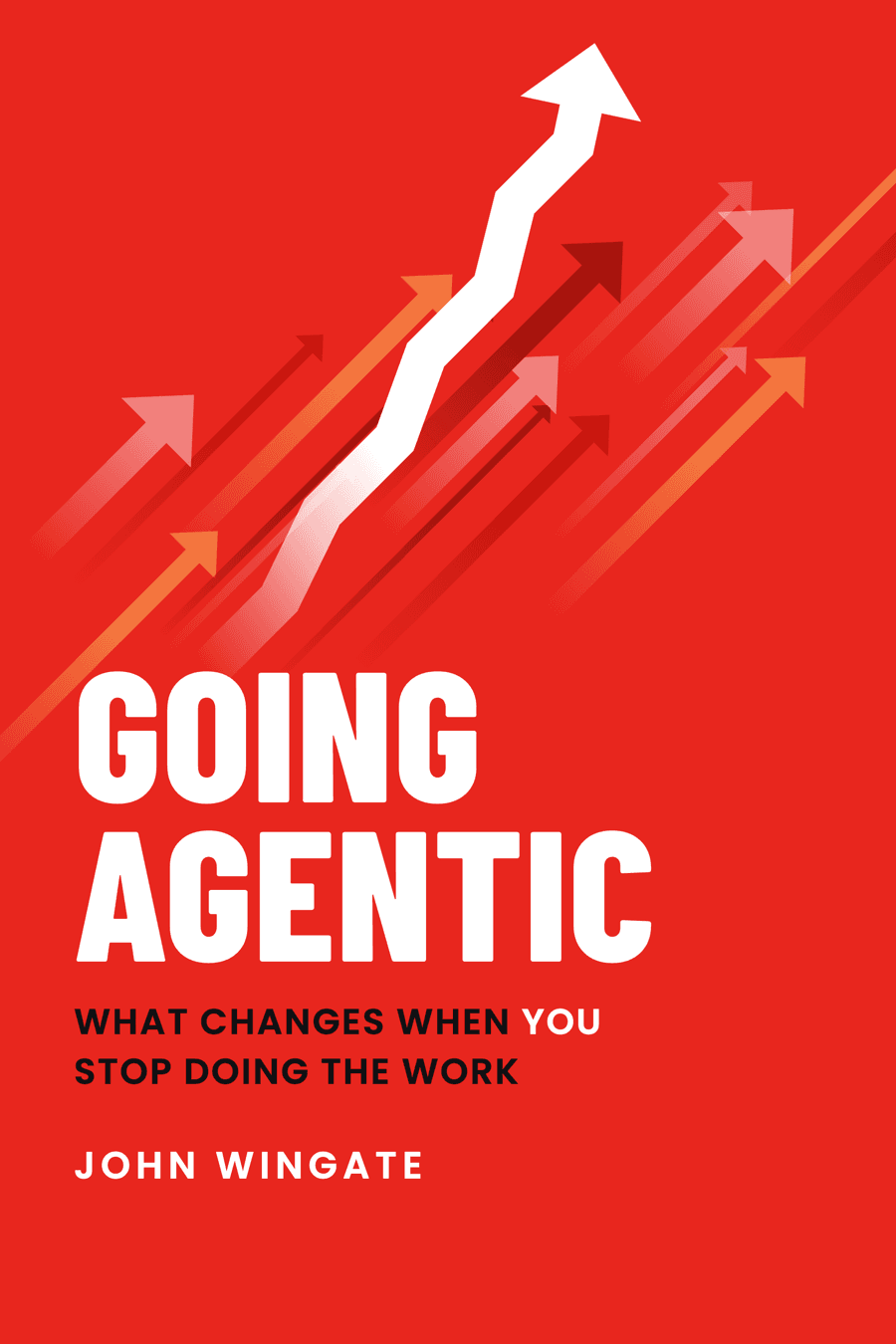
Stop operating. Start directing.
Praise
What people are saying.
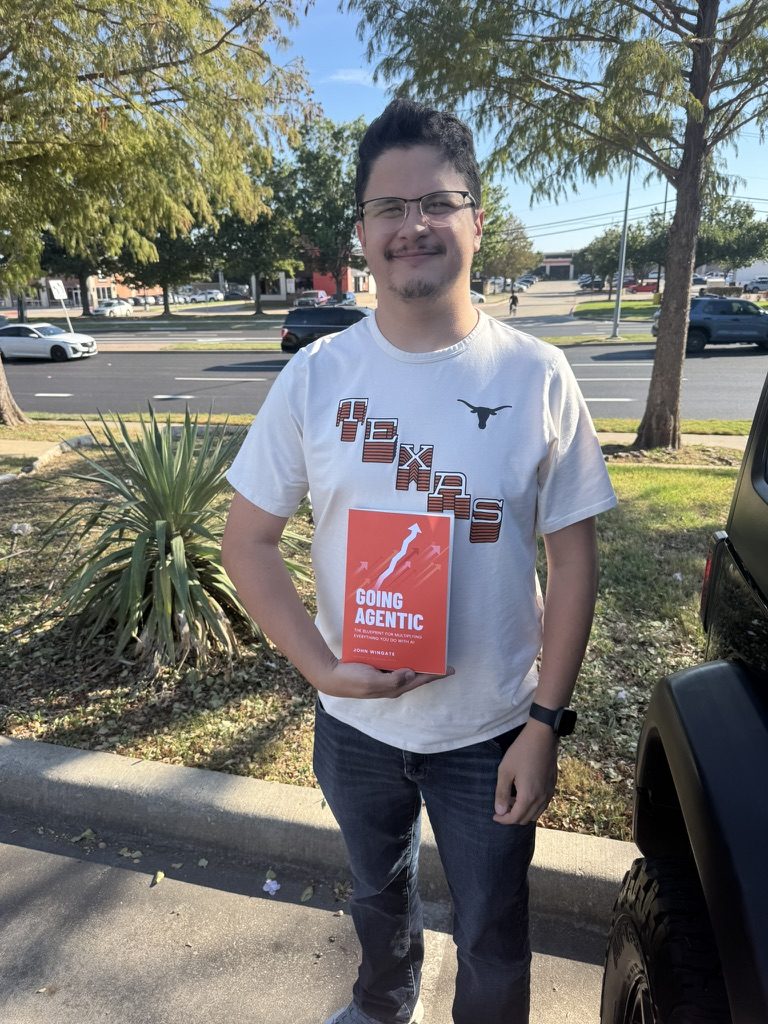
Is hallucination mostly a contextualization problem? It's a super interesting question and one of the many that this author addresses in the book. Seems to me that this should be a must read for anybody wanting to move into the next generation of AI.
John's latest book, Going Agentic, offers a clear, practical, and compelling approach to incorporating AI into both your professional and personal life. It presents a new way of thinking about problem-solving—one that can amplify your capabilities, enrich your efforts, and help you achieve better outcomes with greater speed, scale, and impact.
Across the Globe
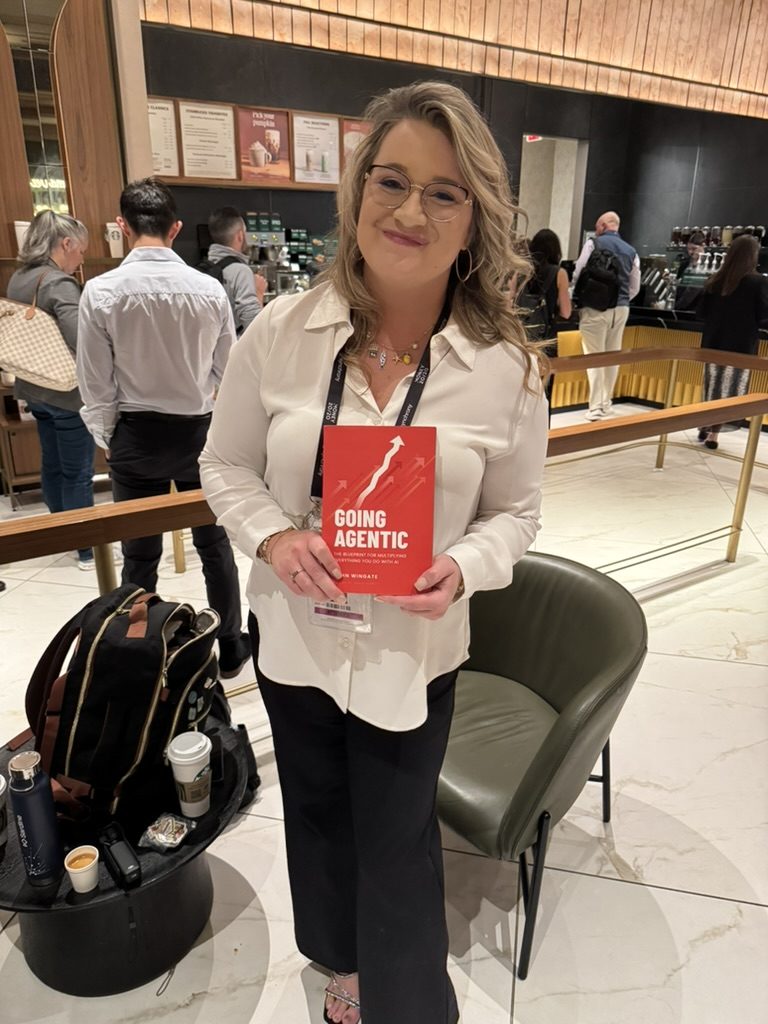
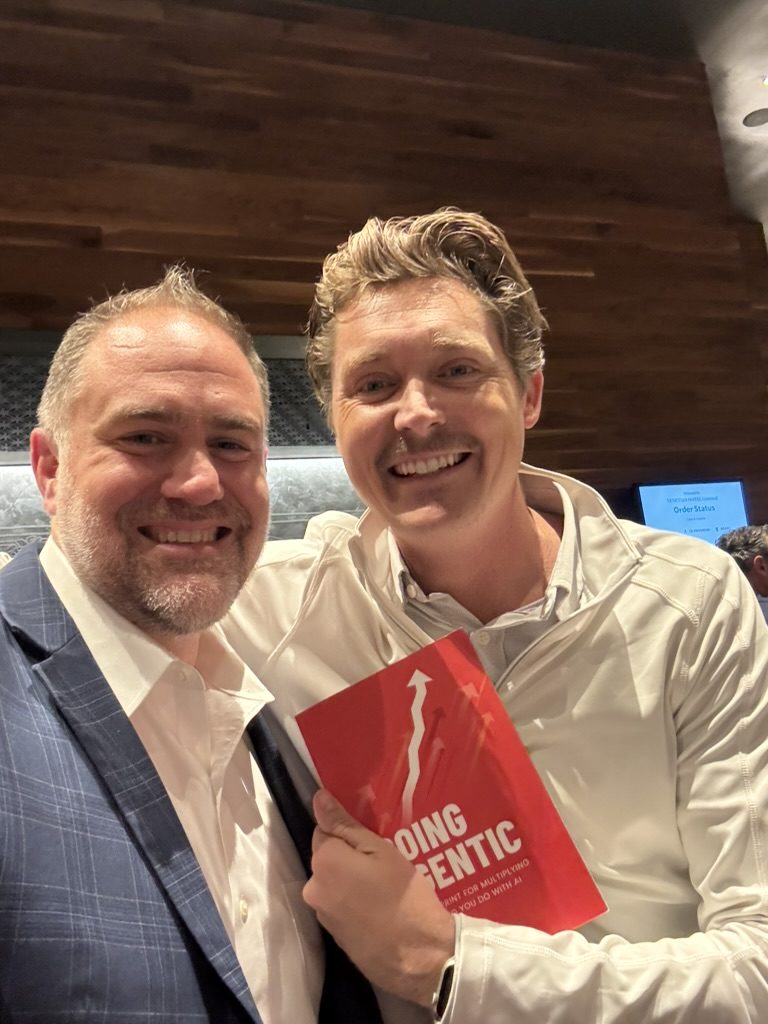
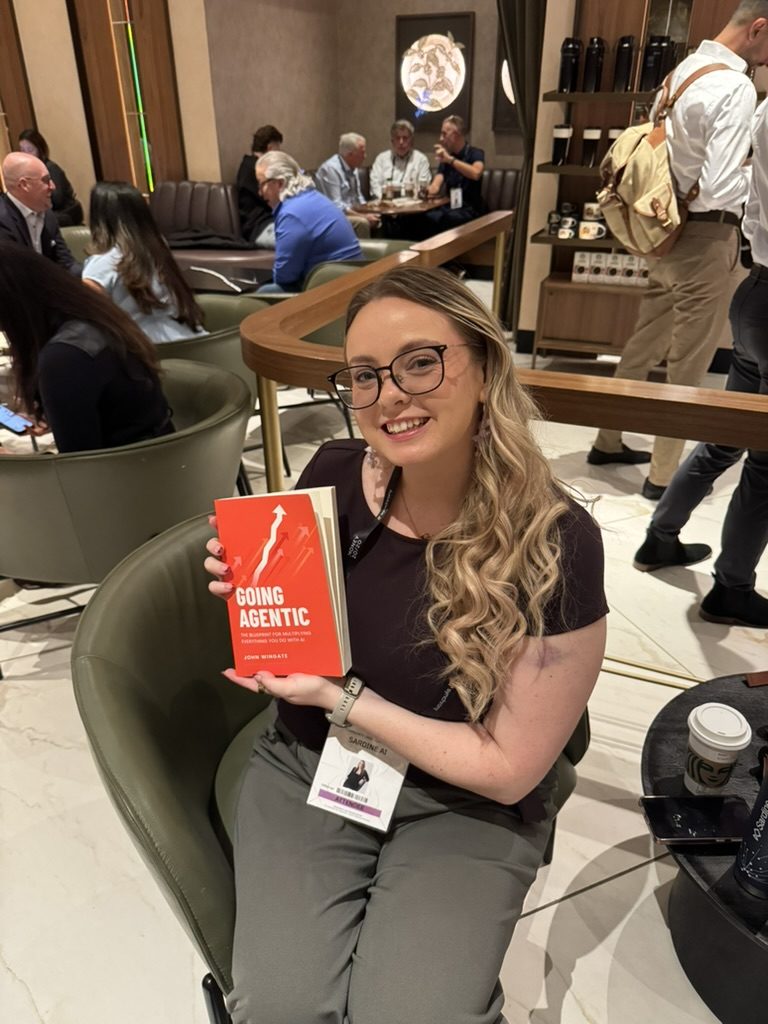
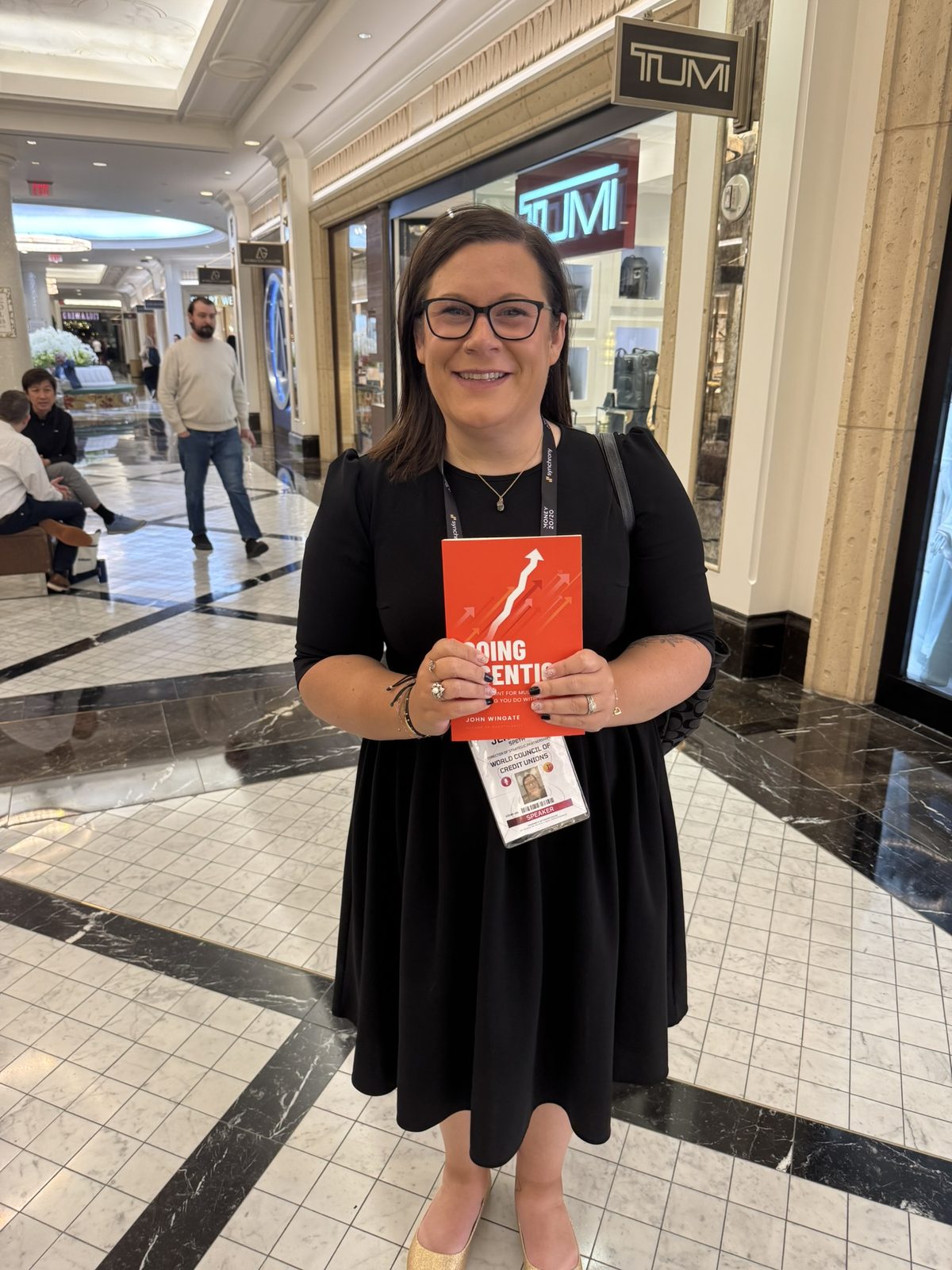
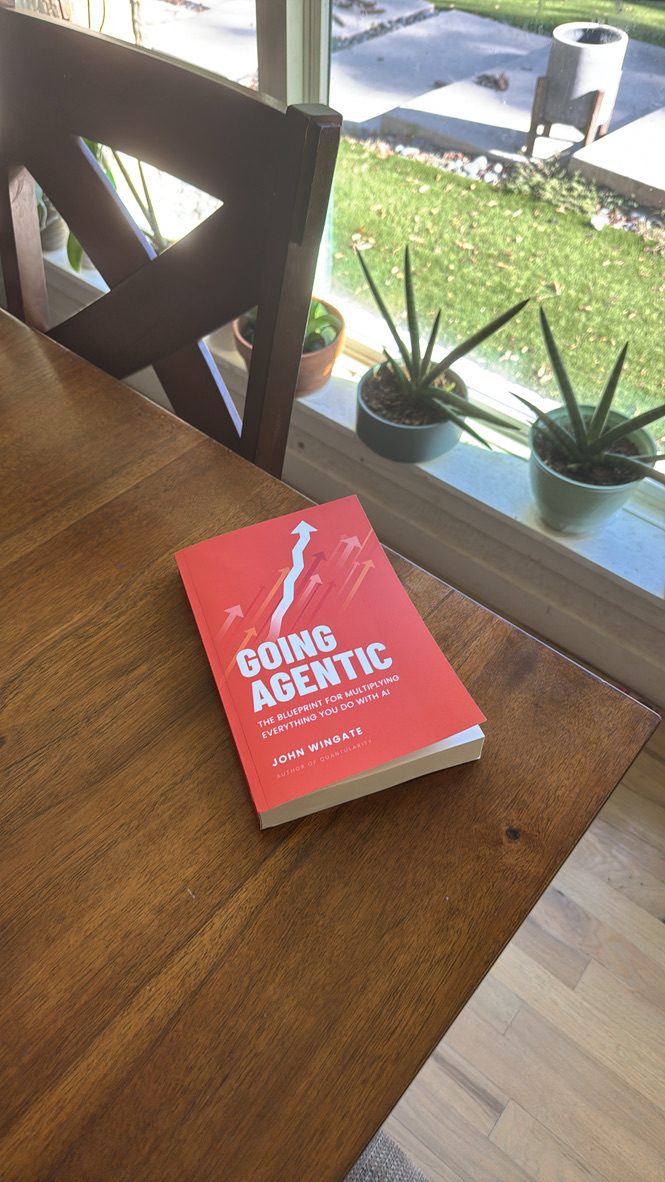
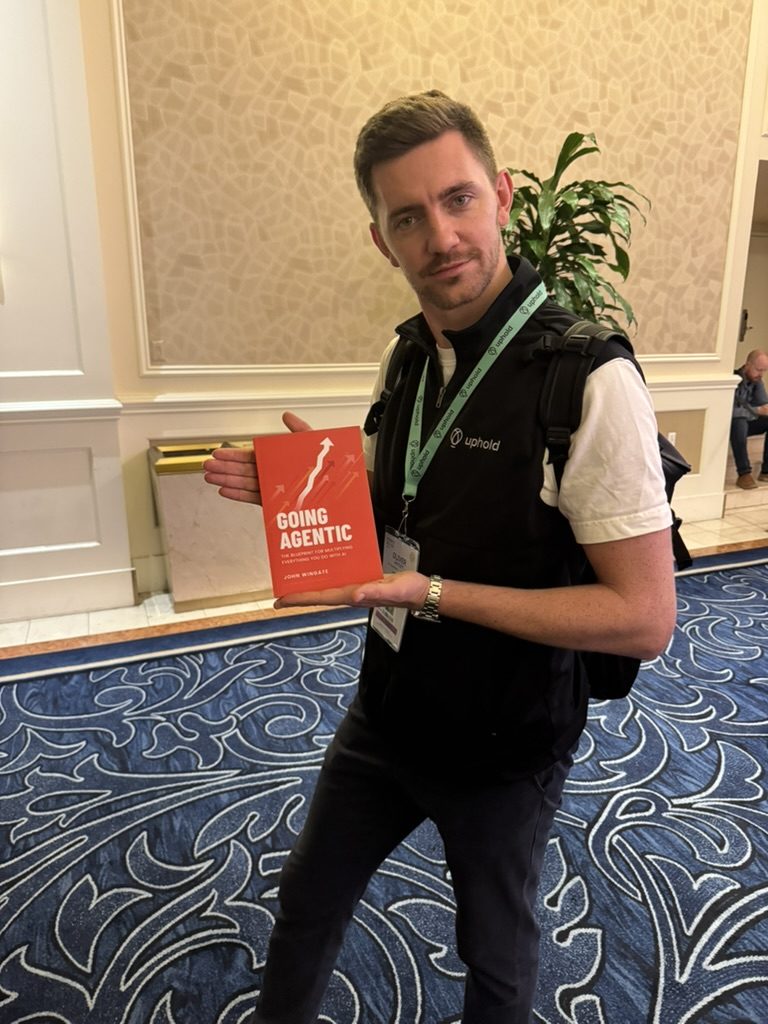
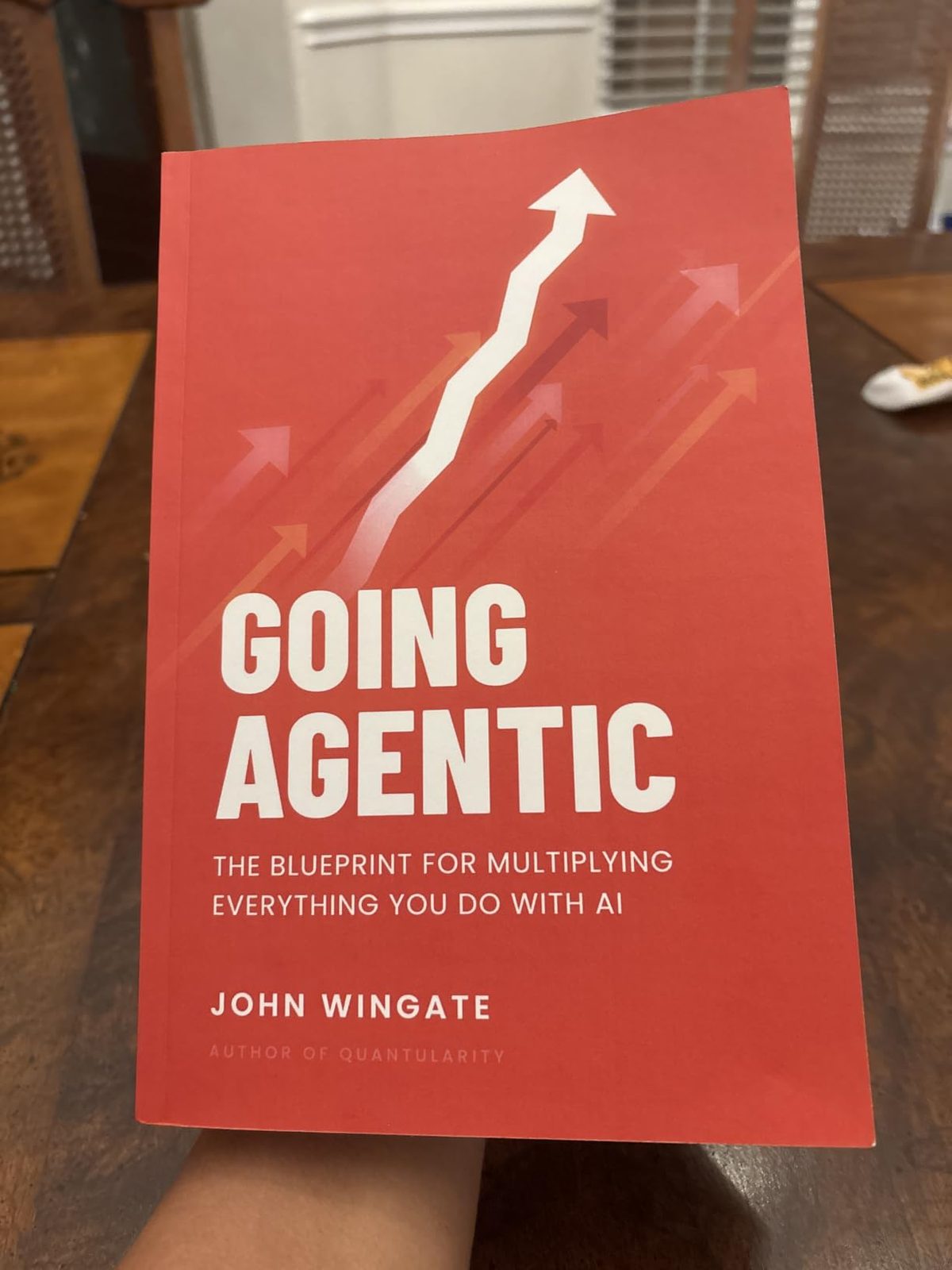
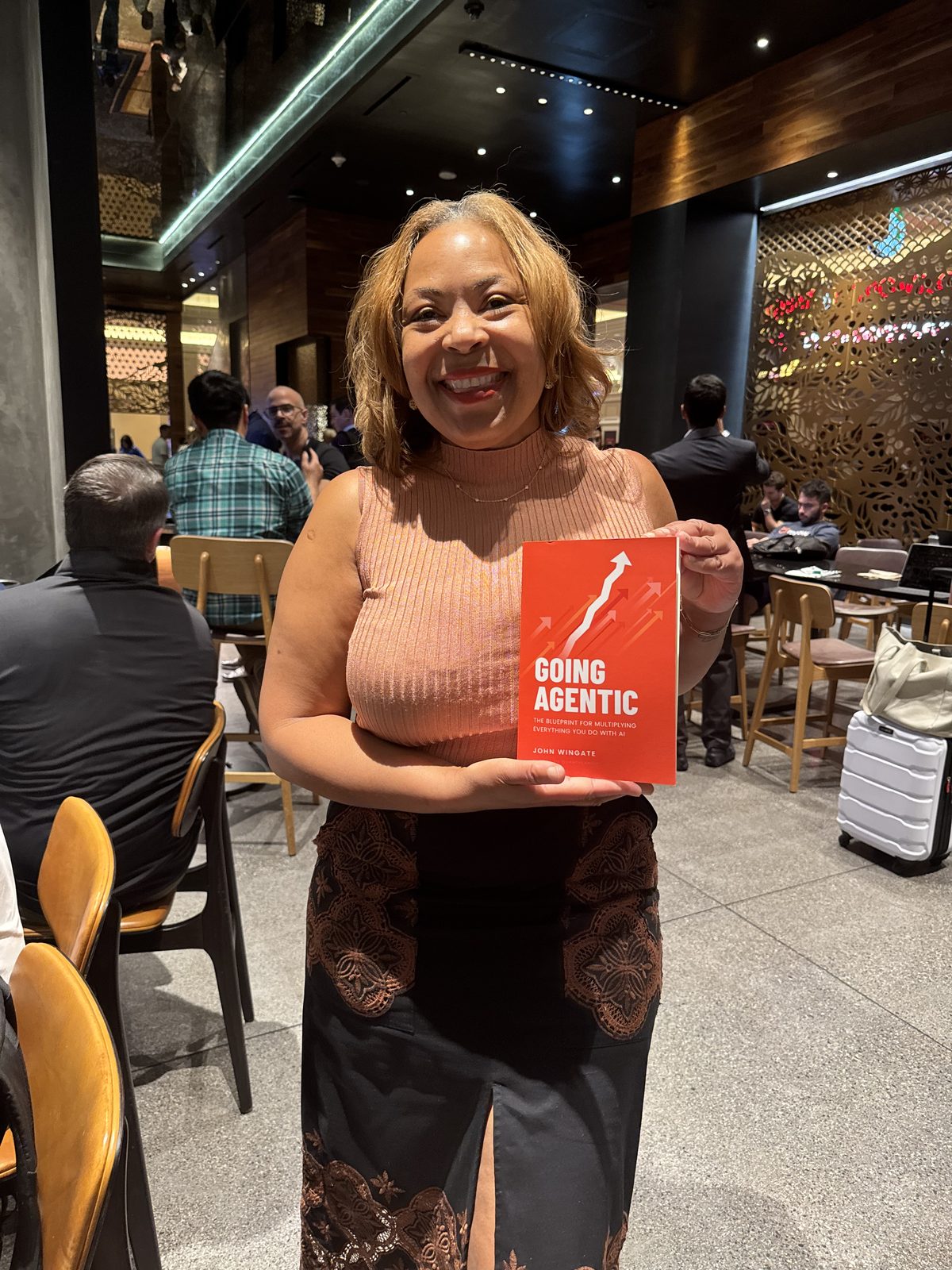
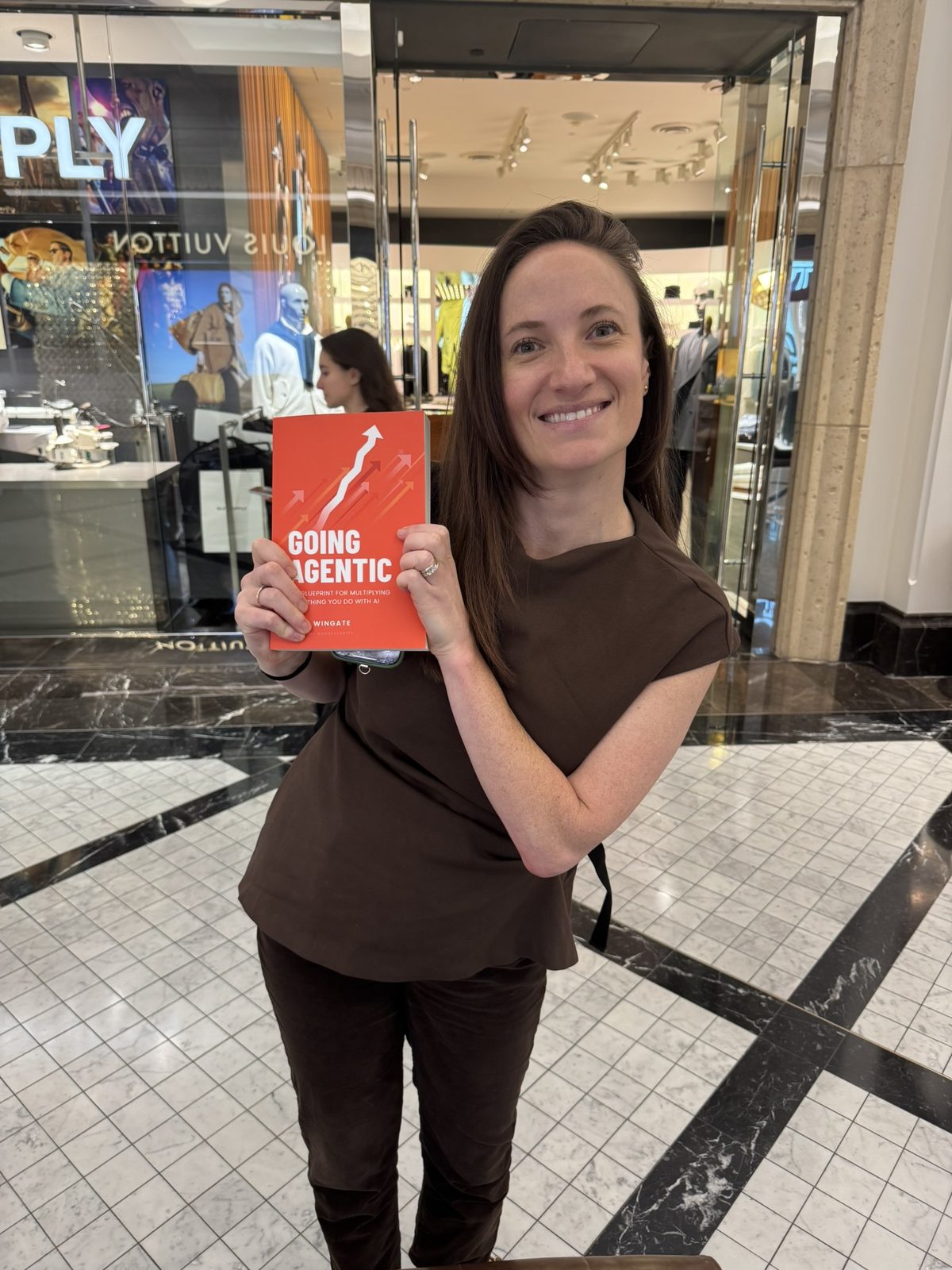
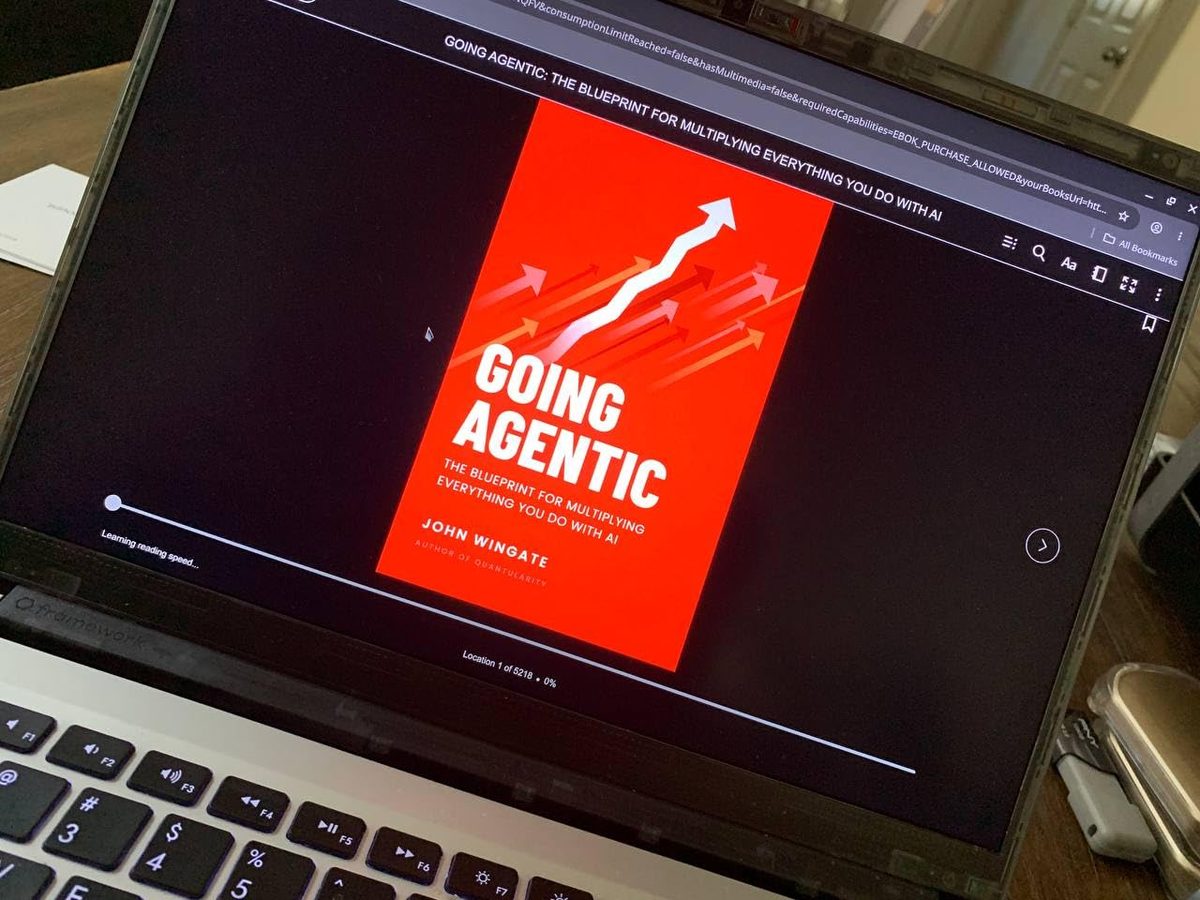
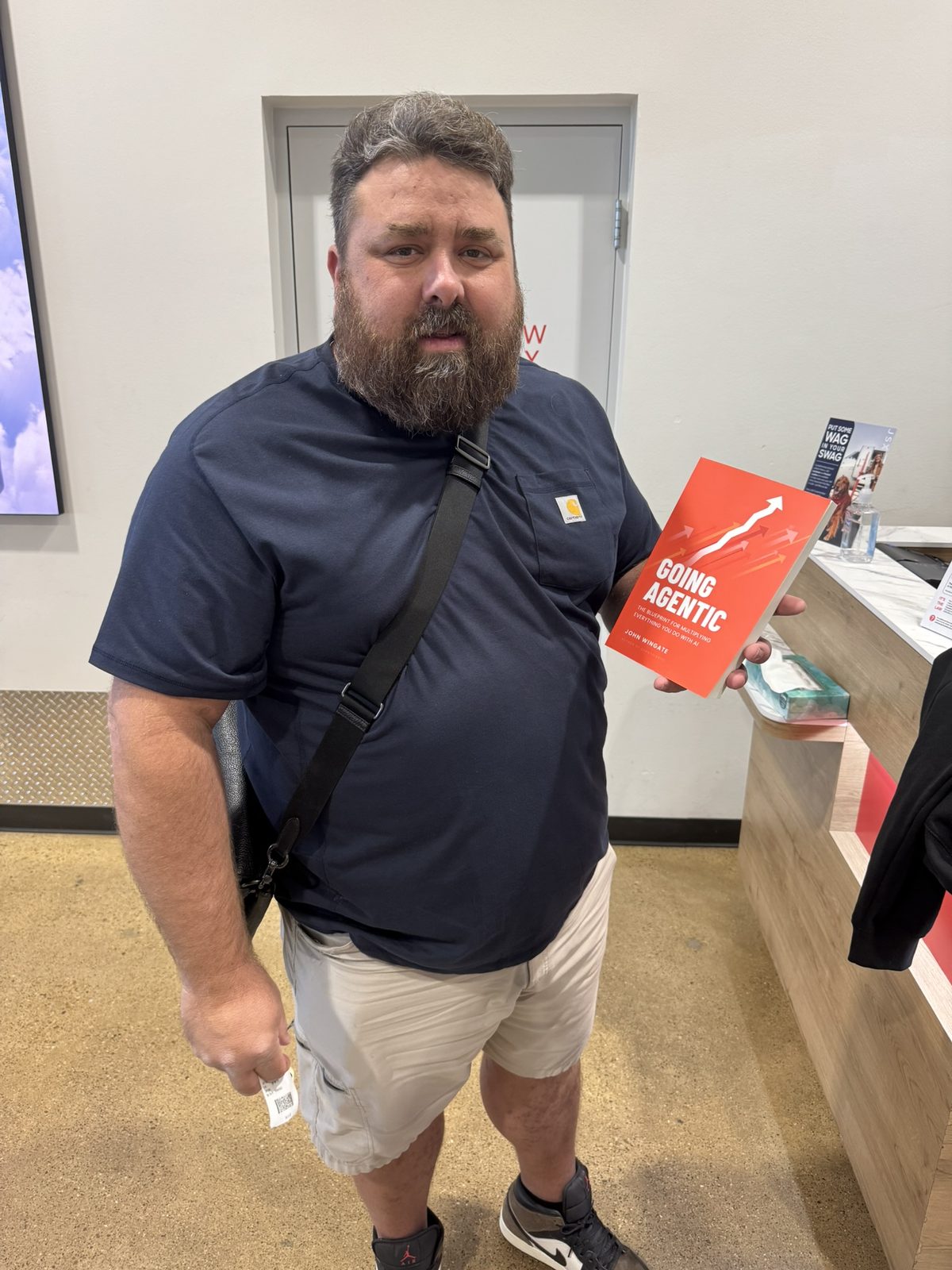
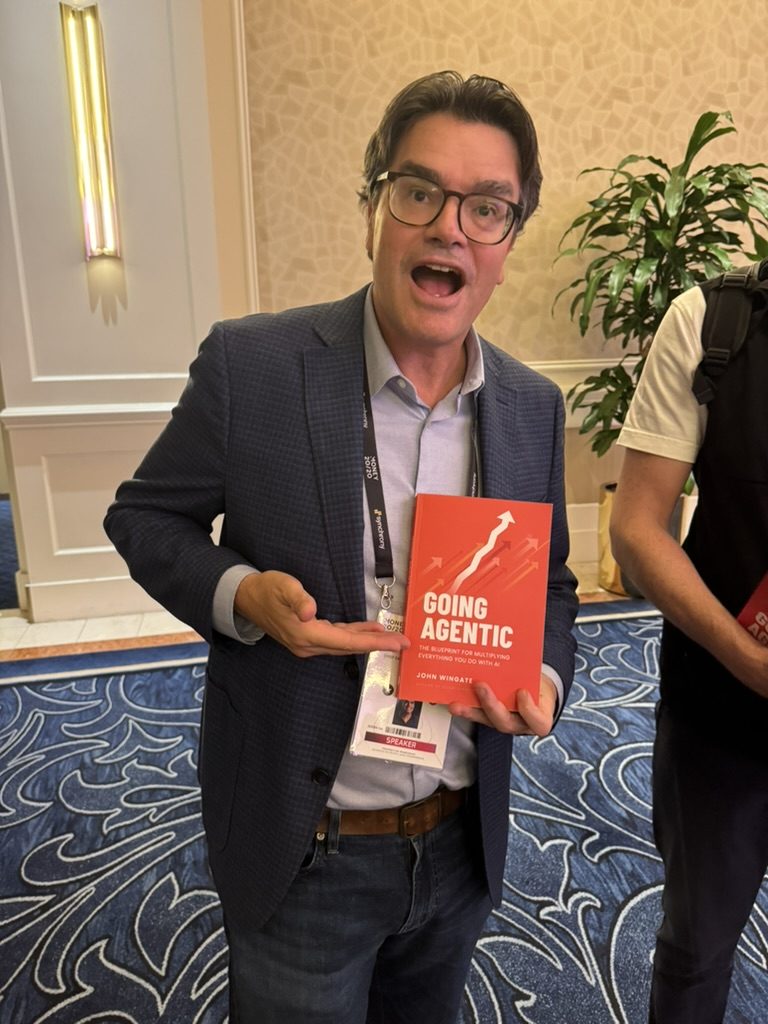
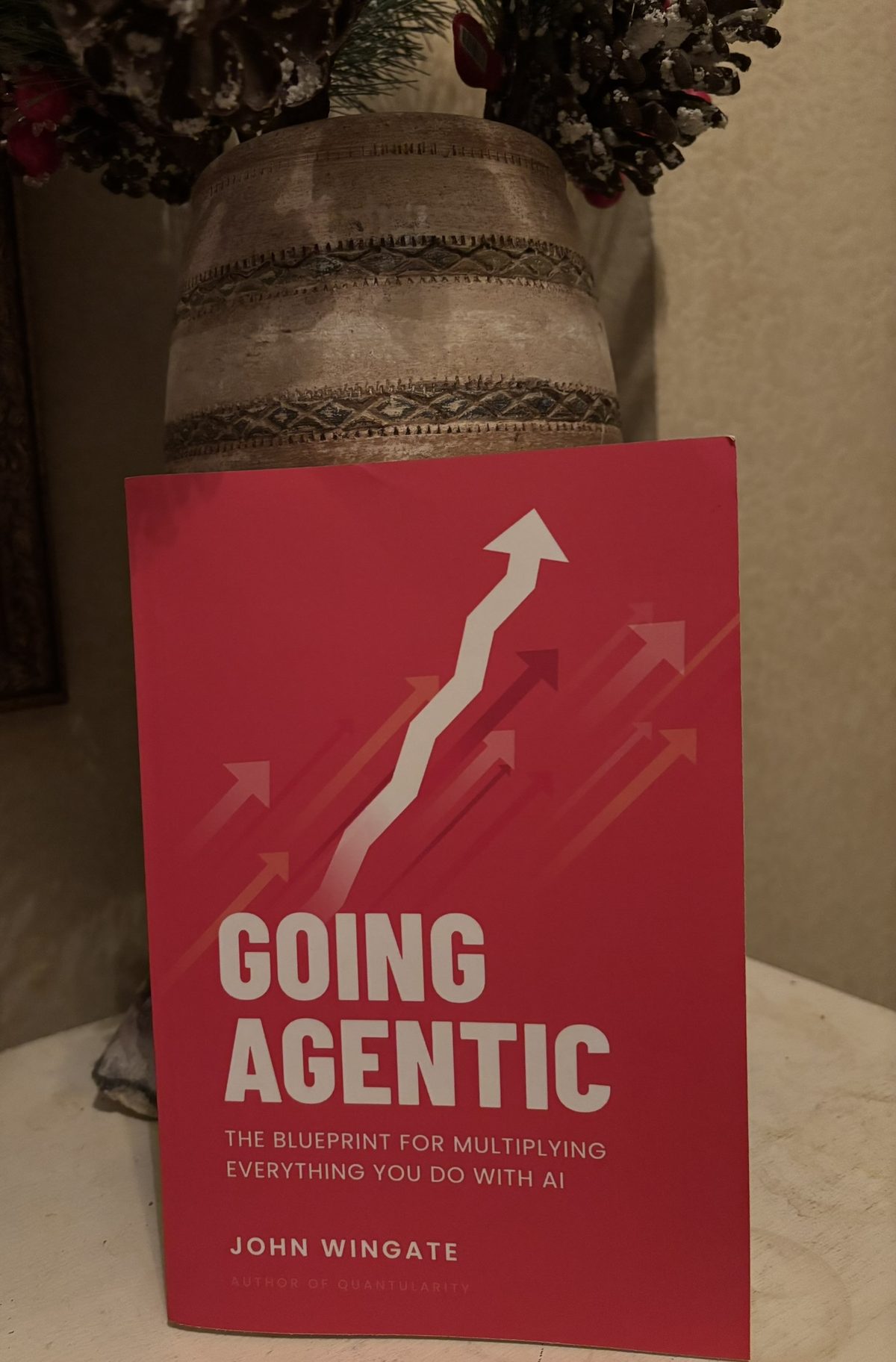
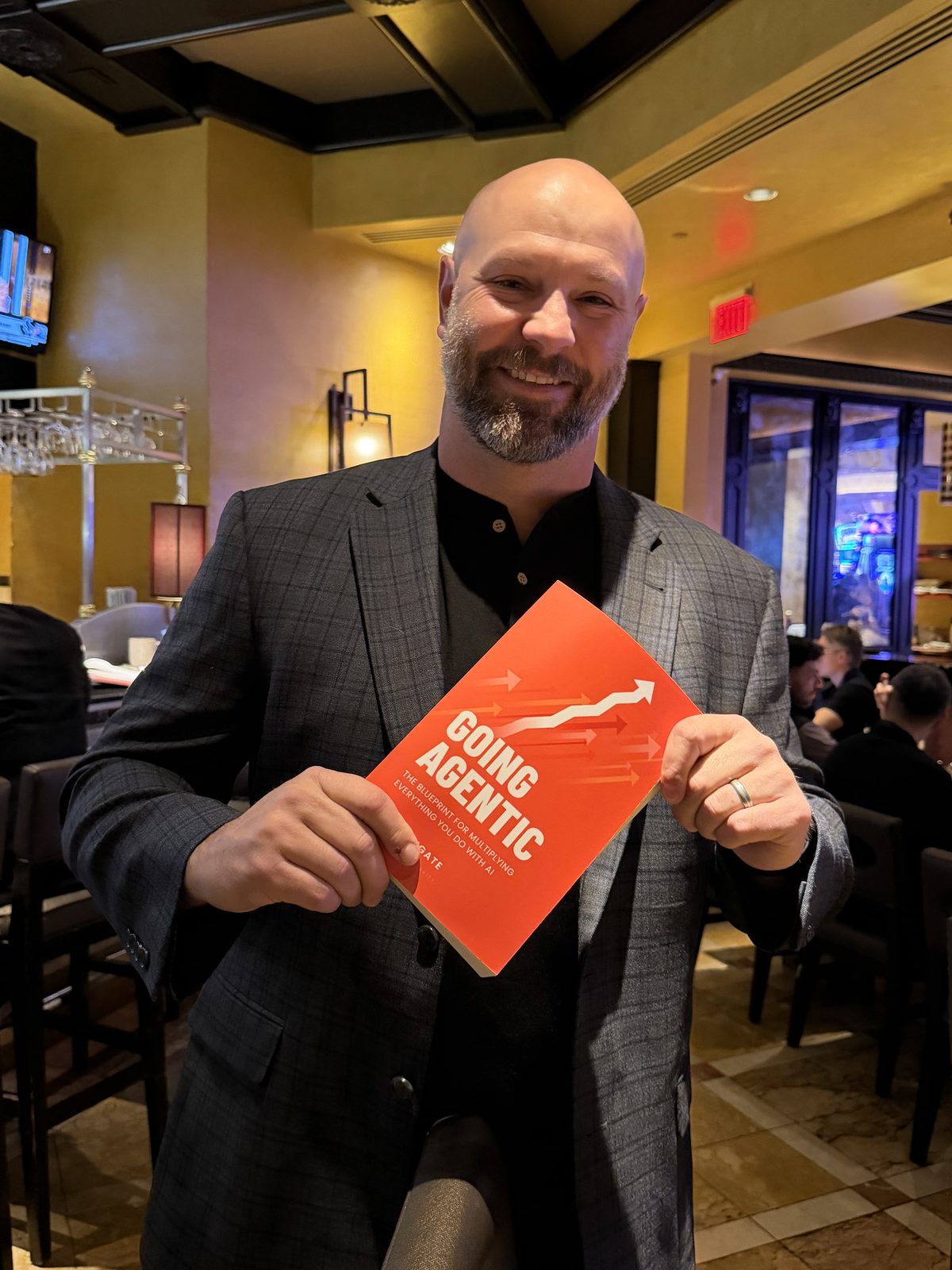
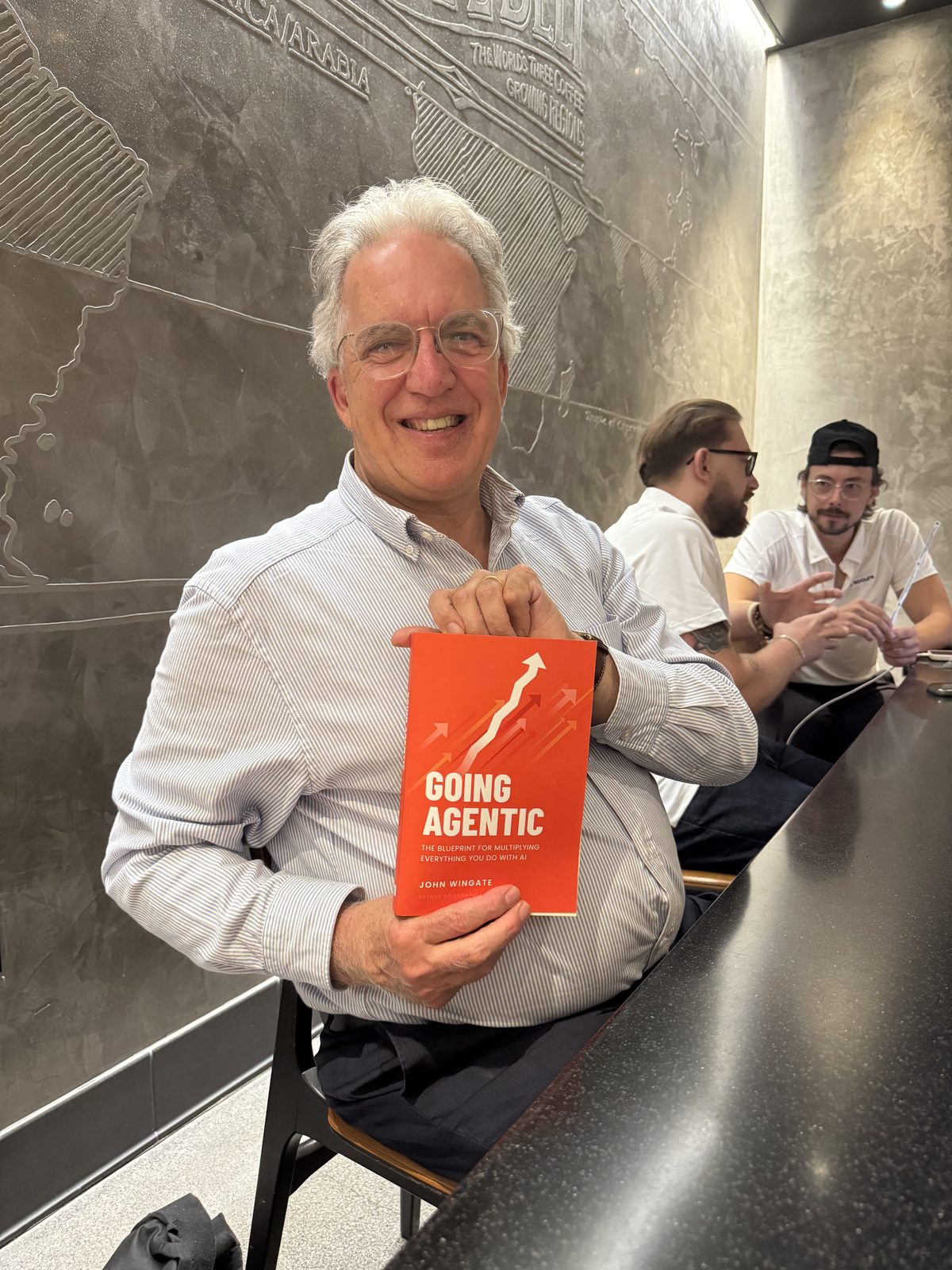
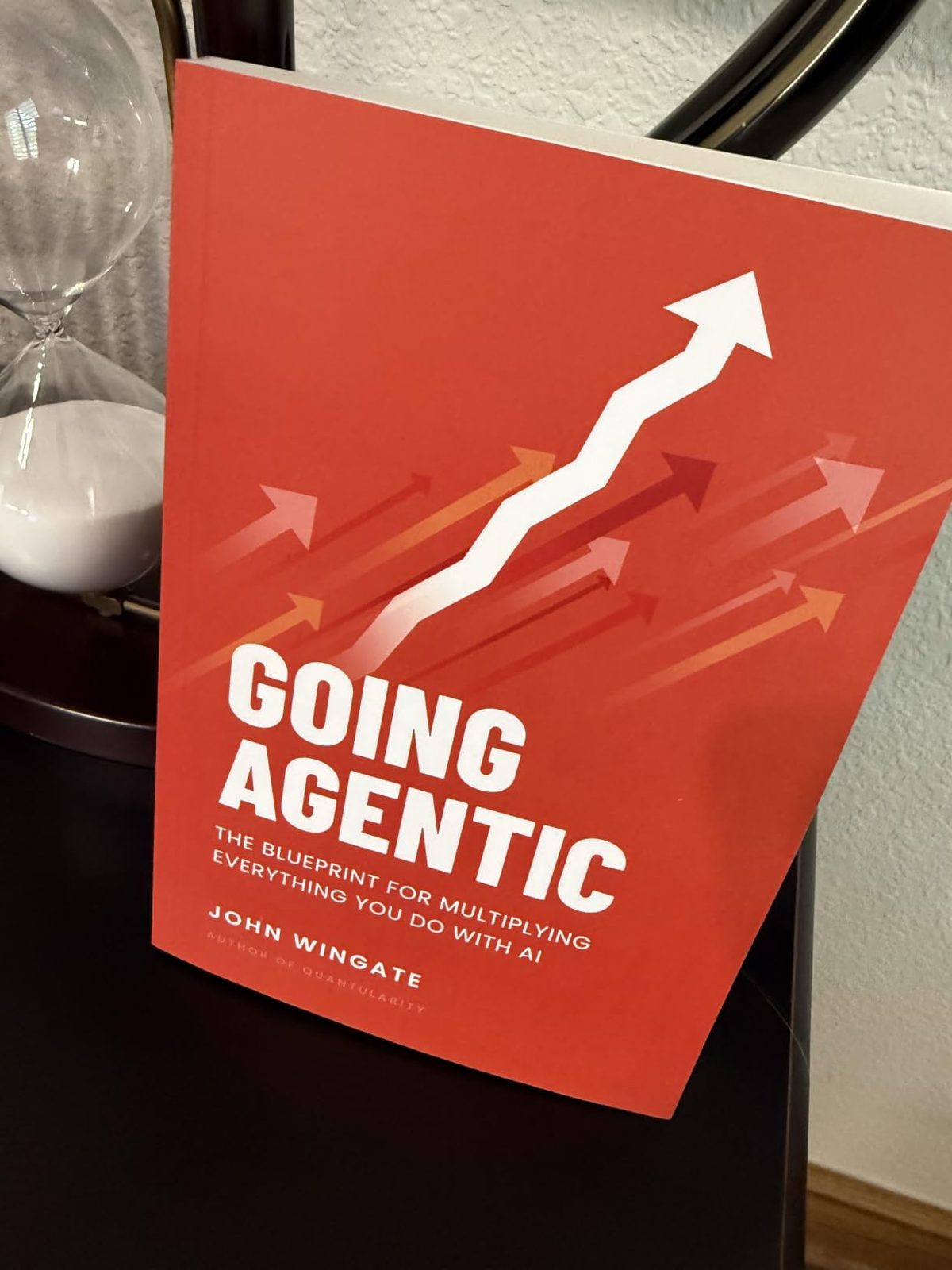
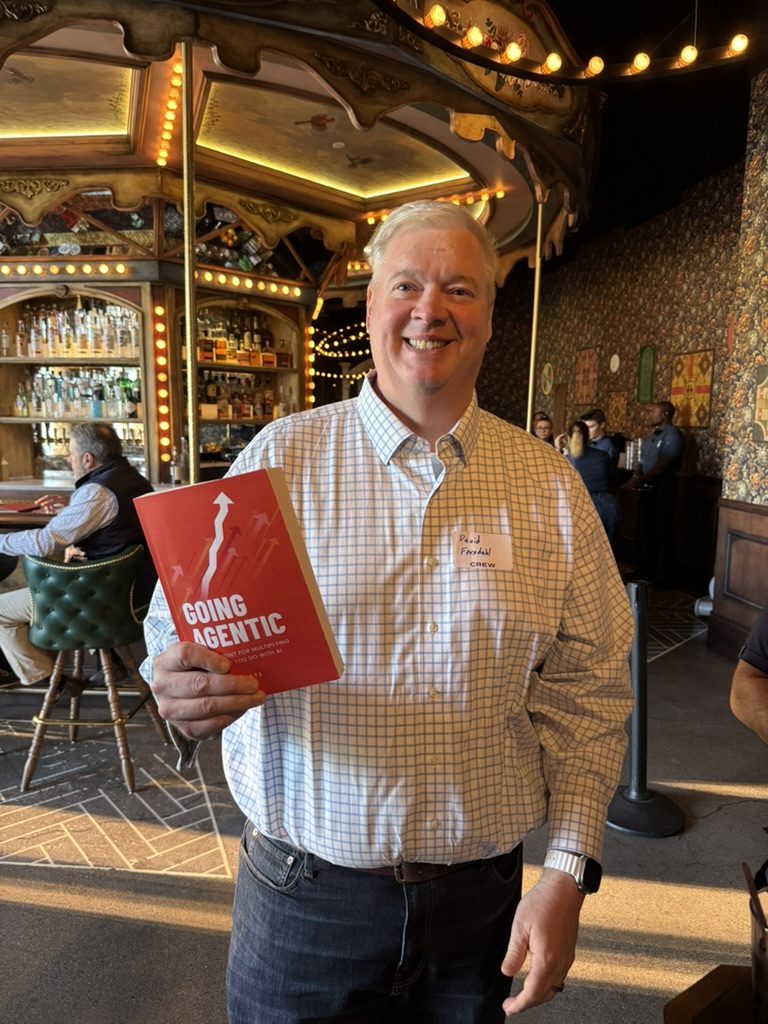
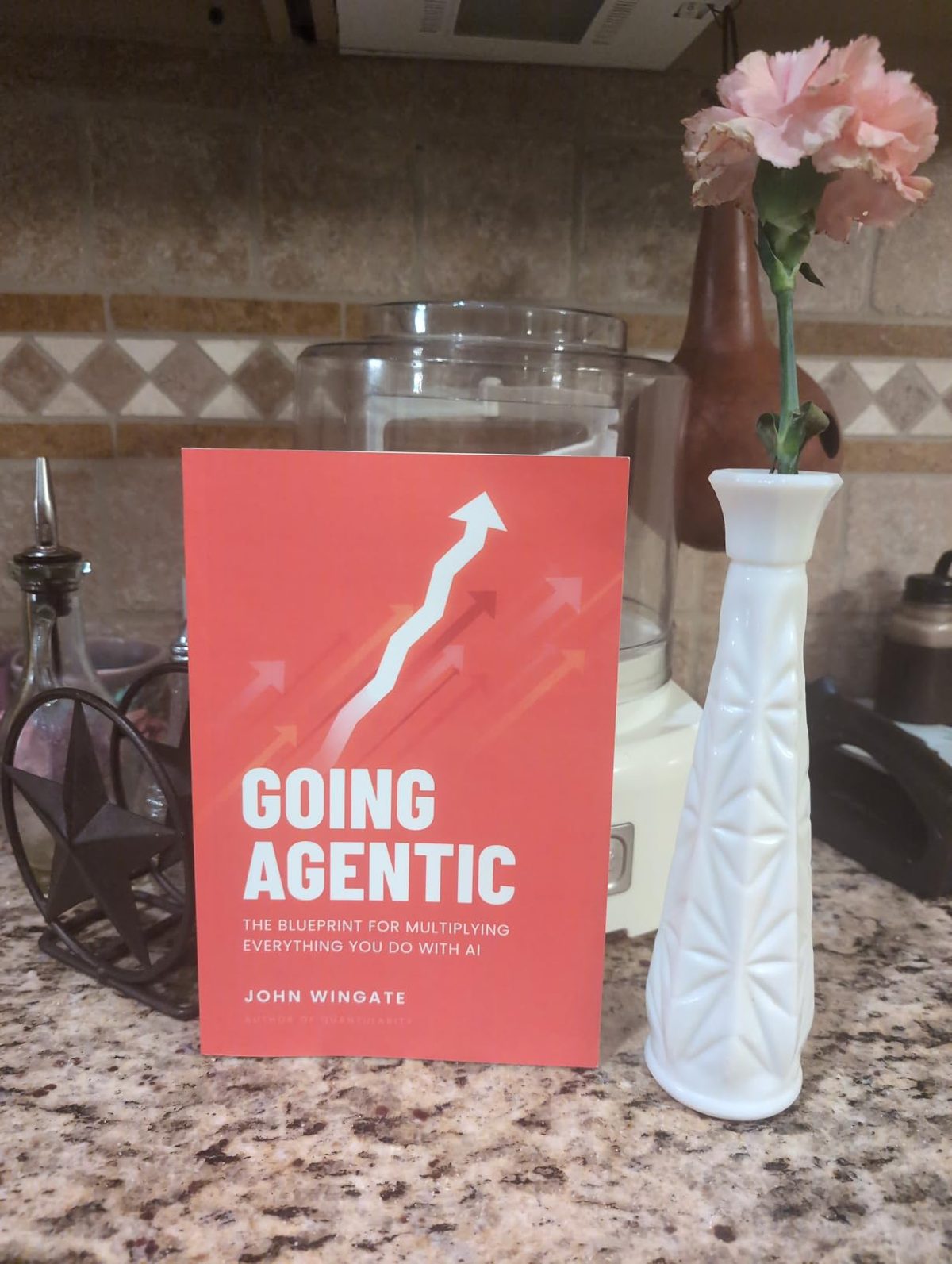
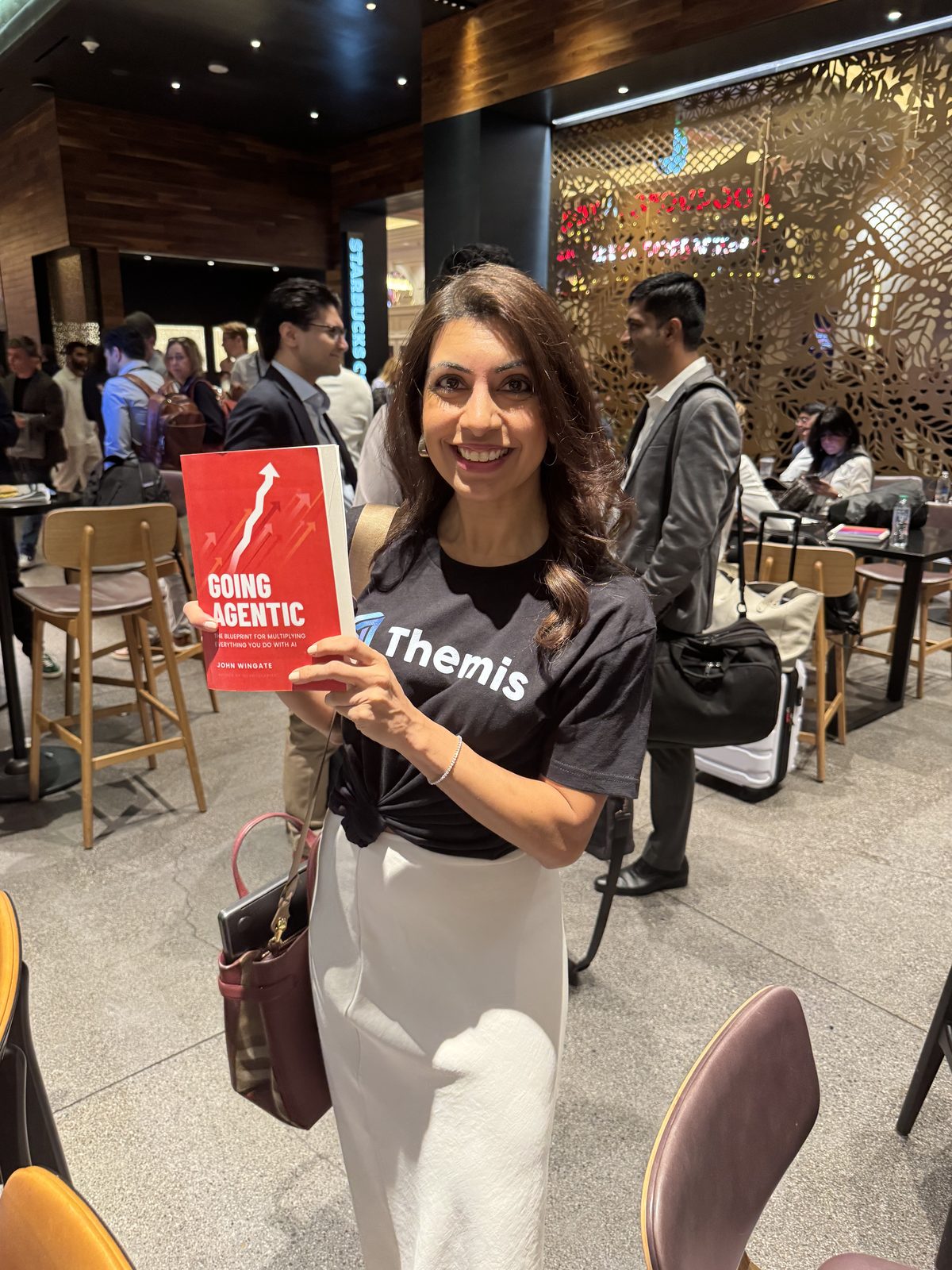
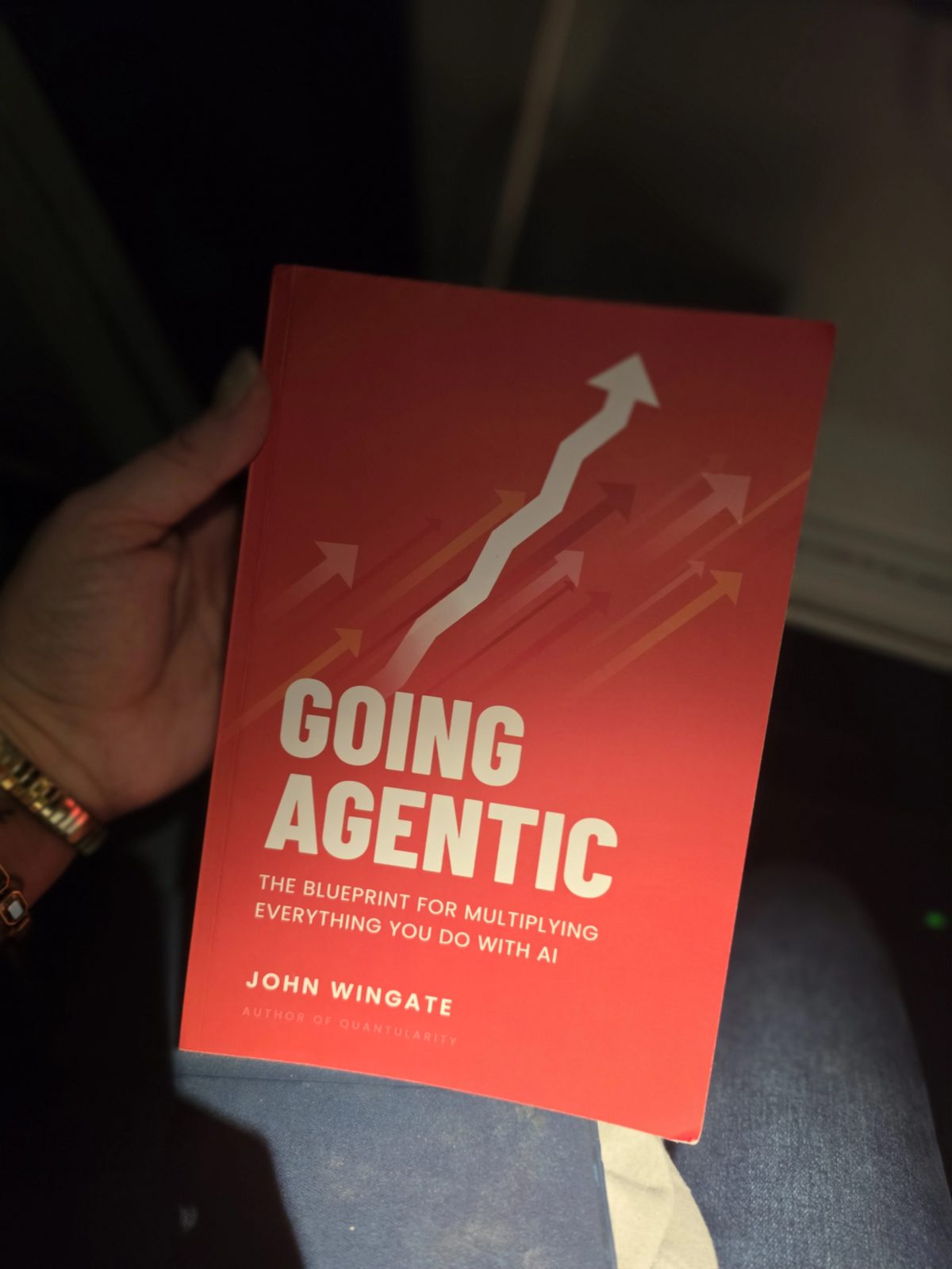
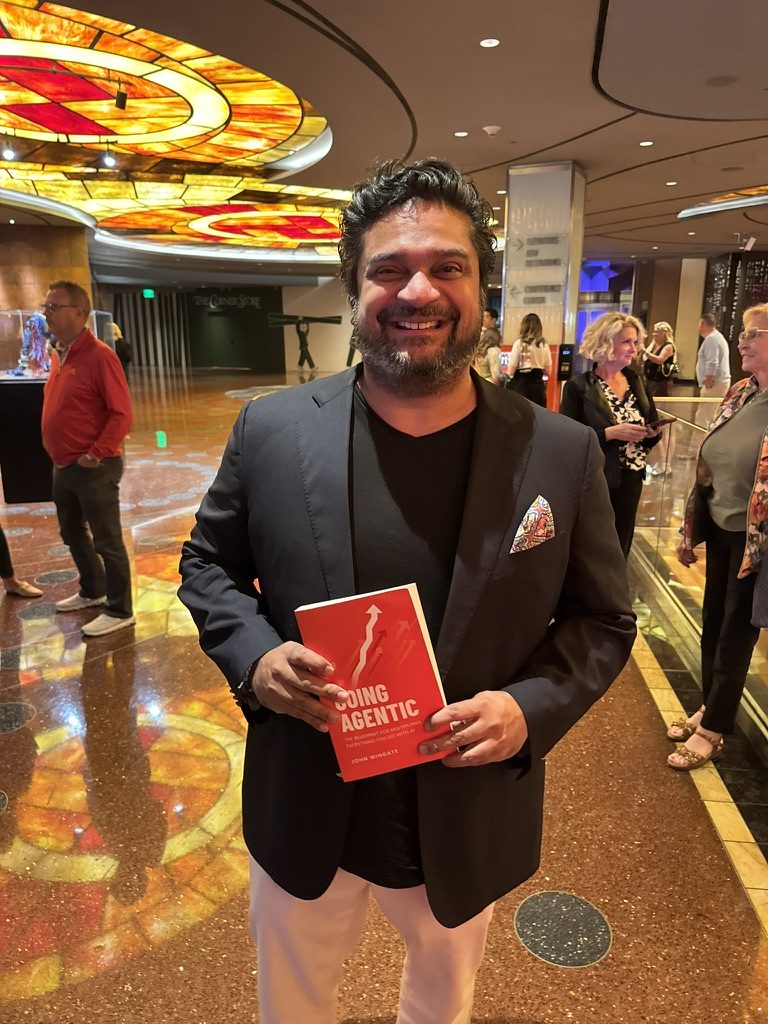
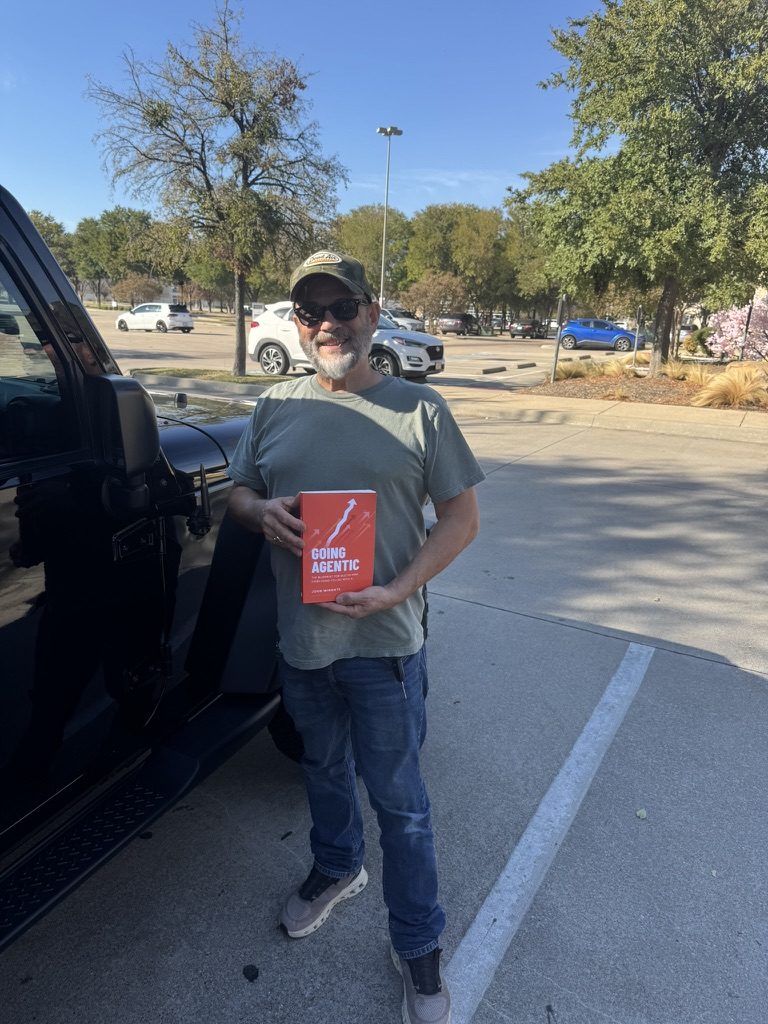
Readers are going agentic.

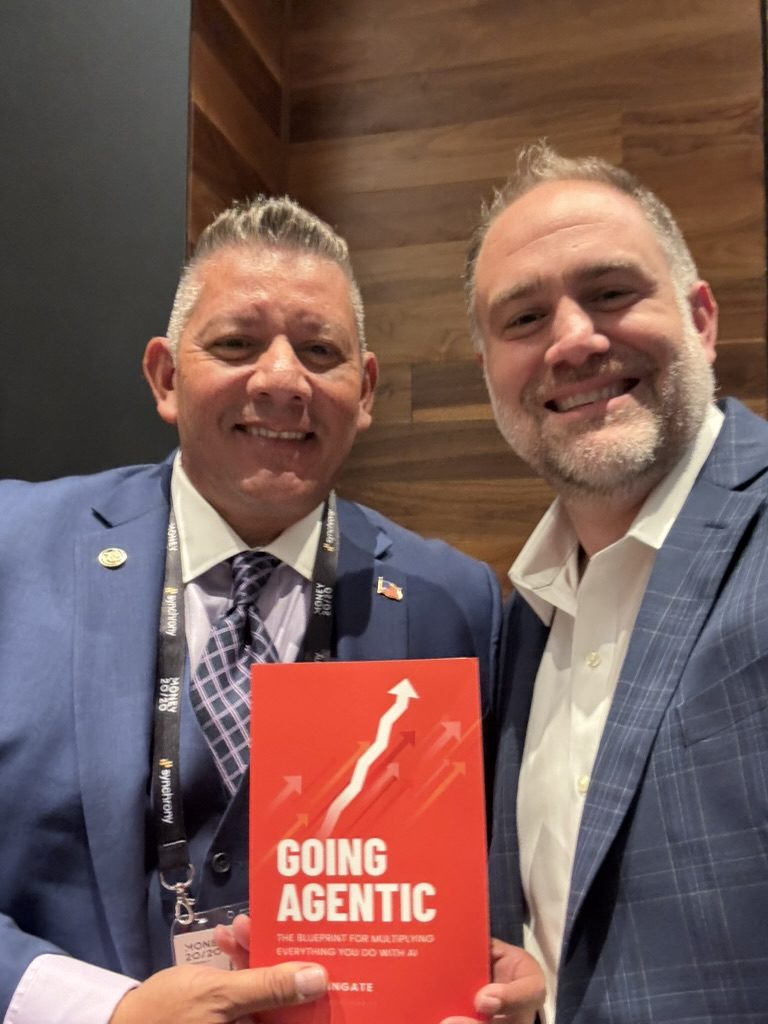
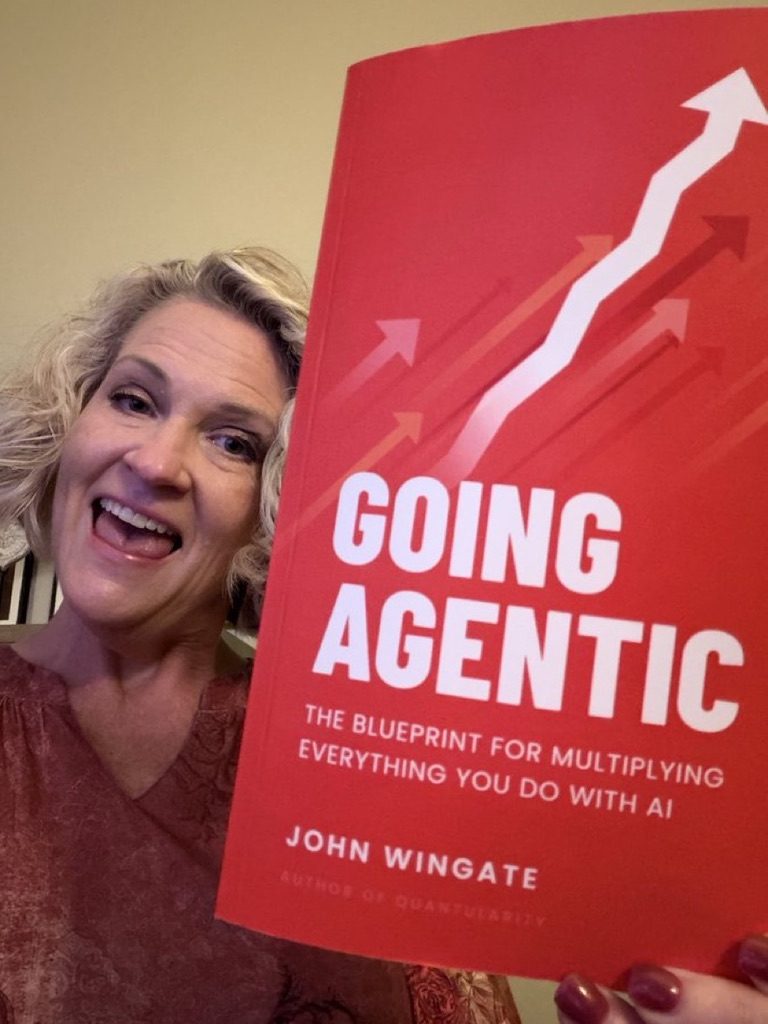
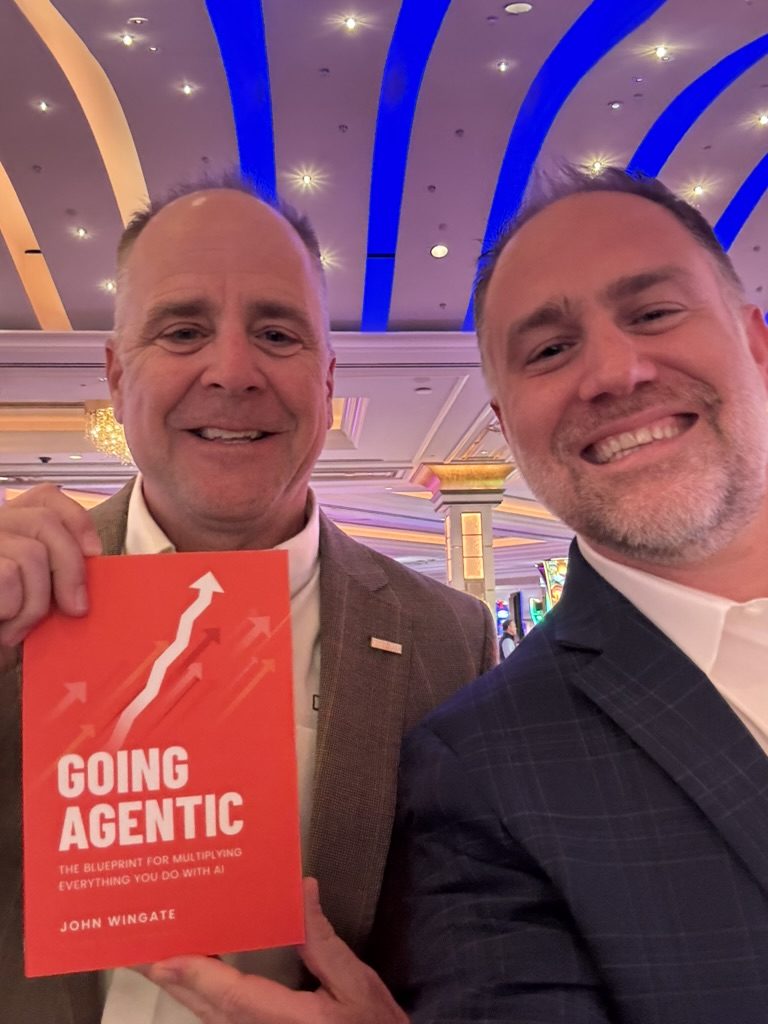
















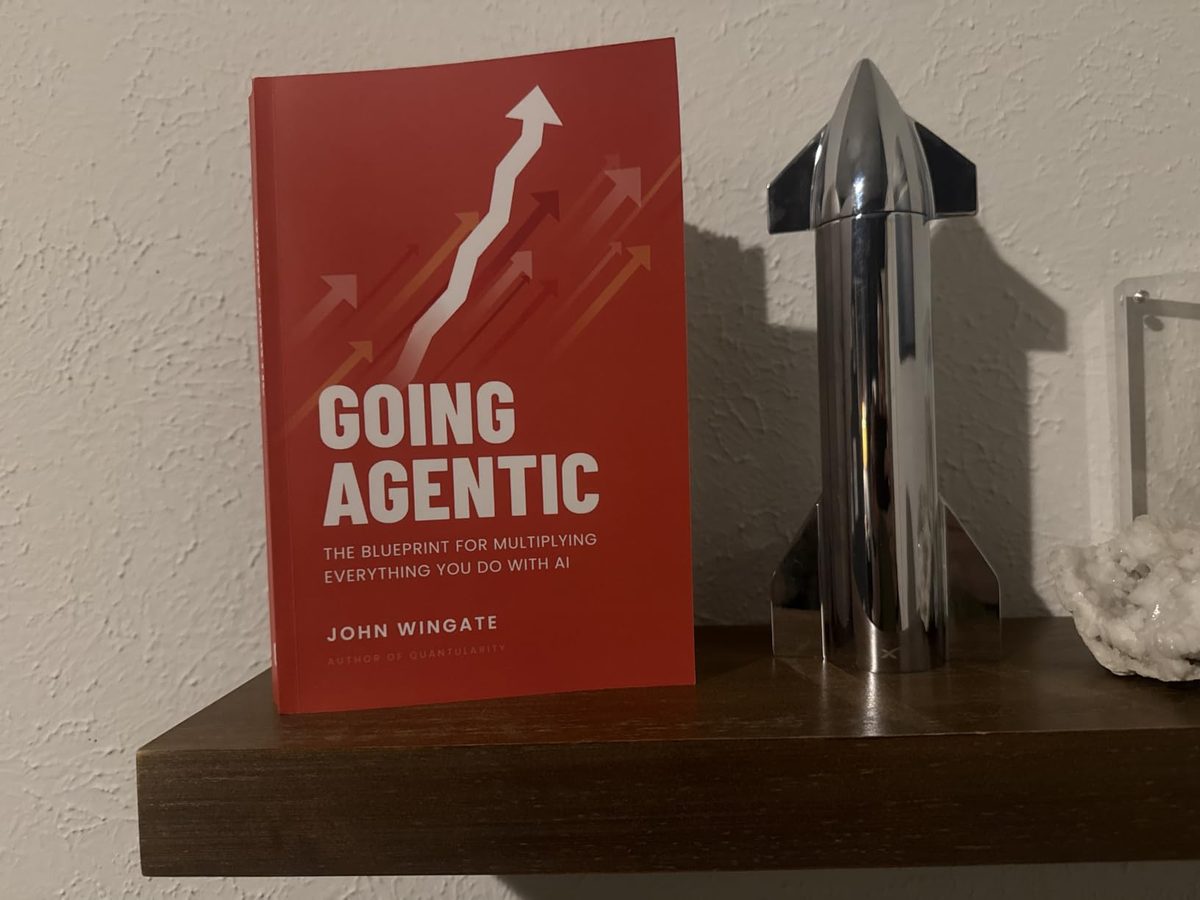


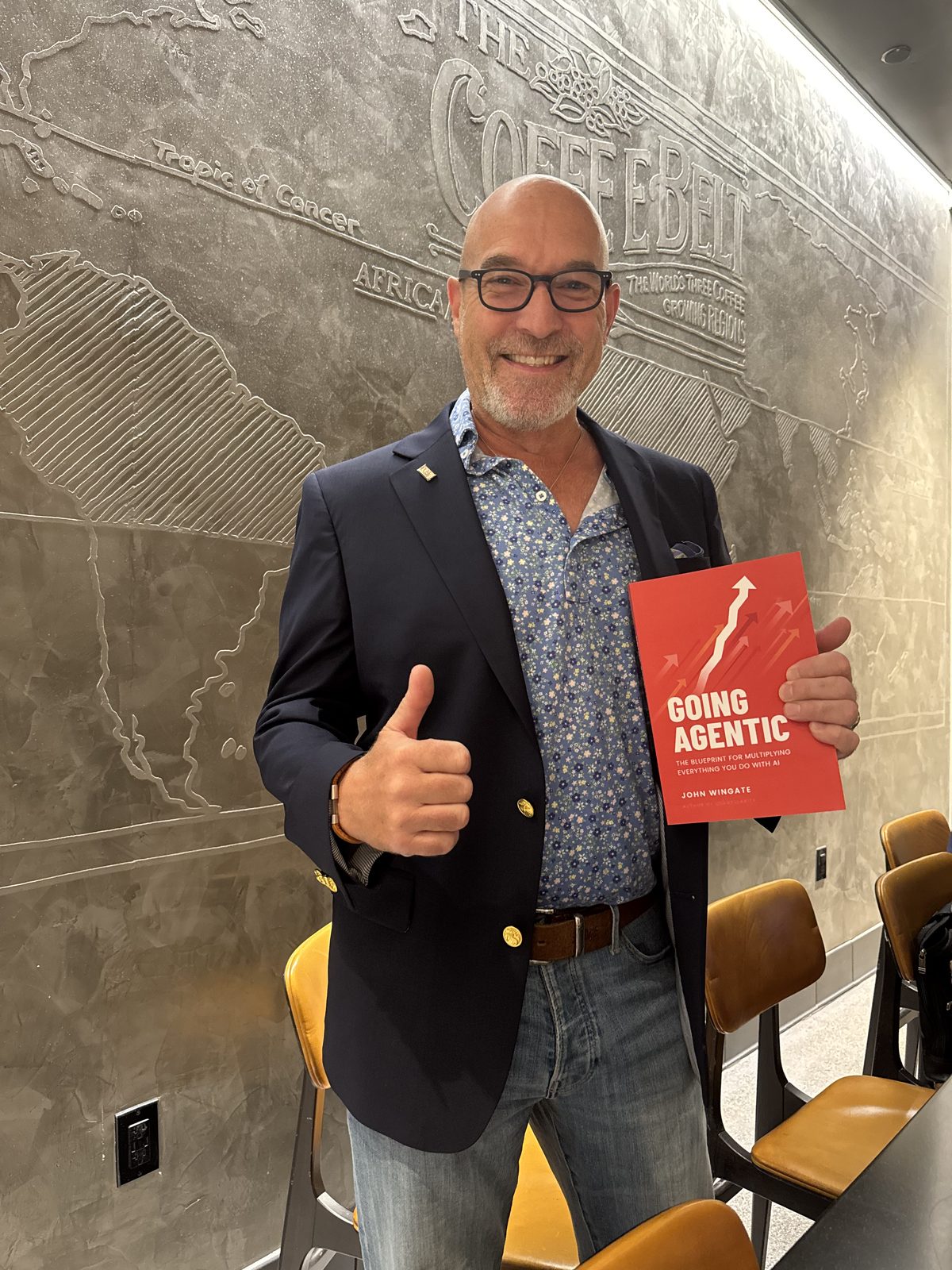
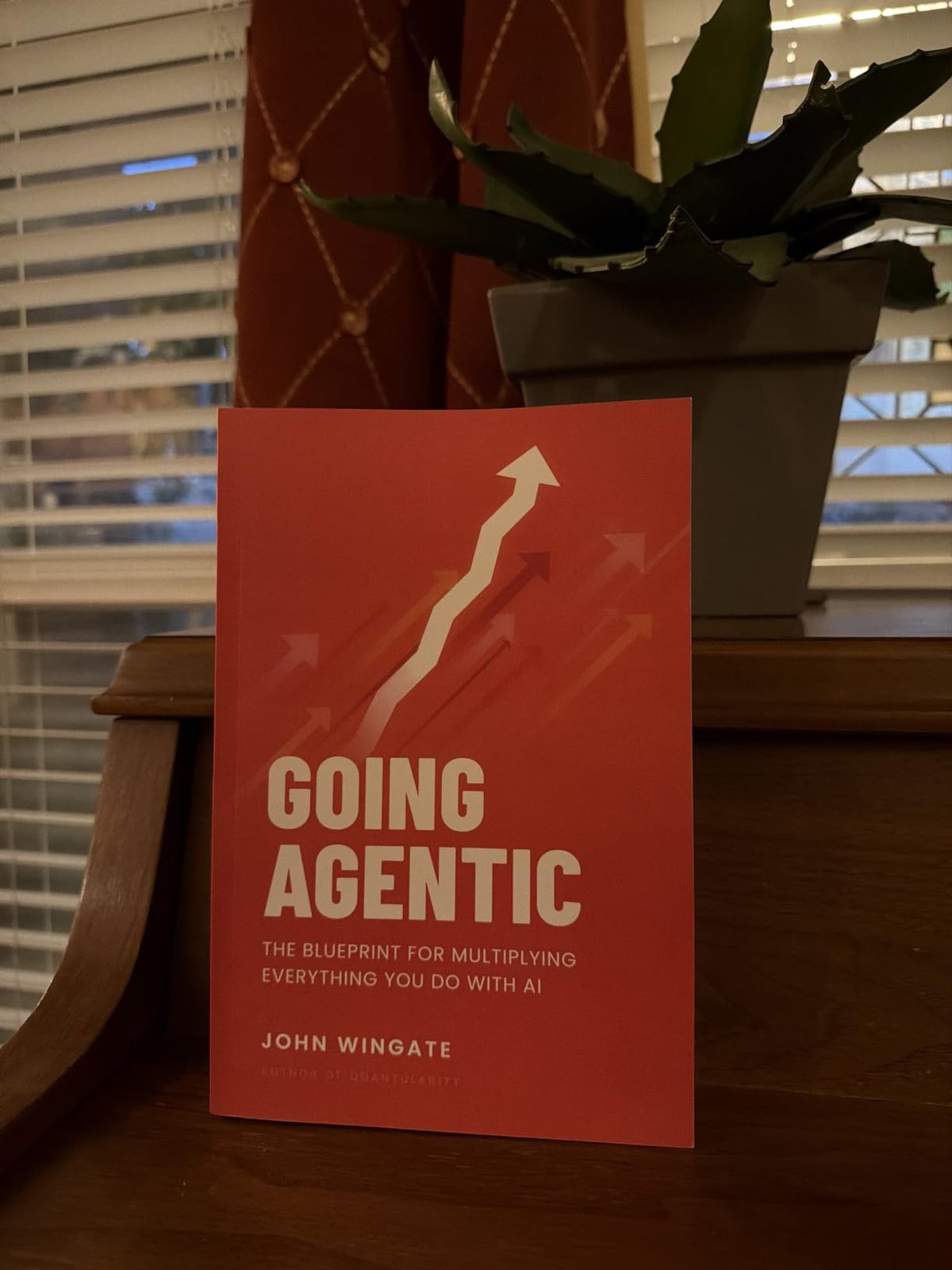

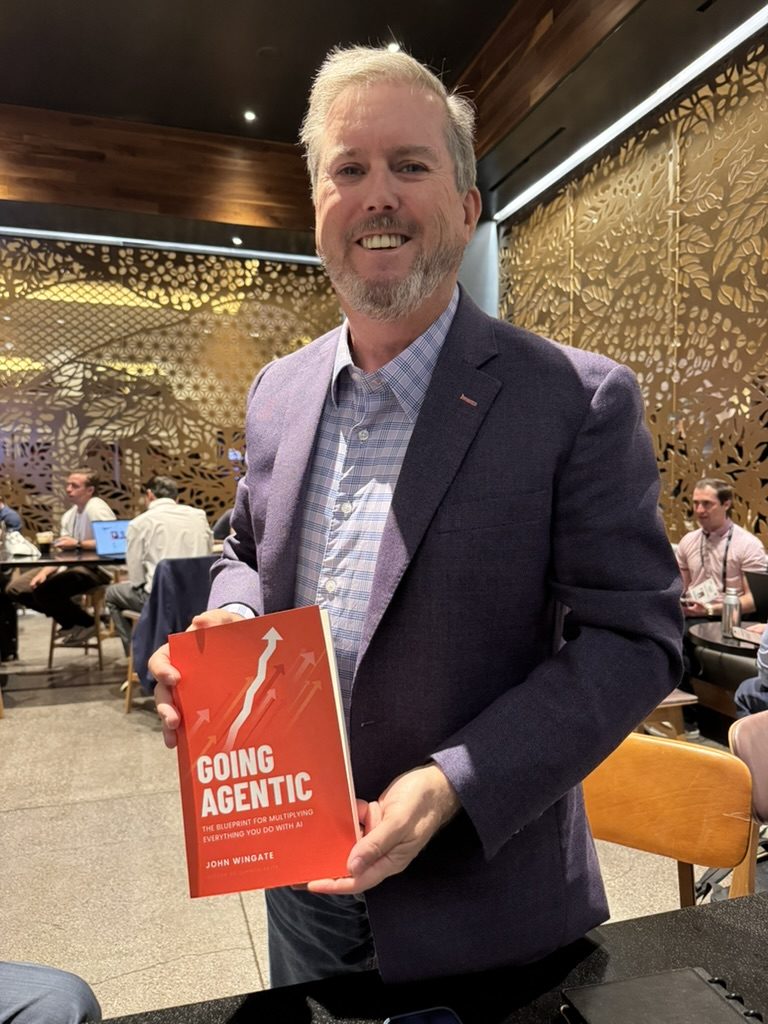






The shift
You stopped doing the work. Nobody told you what the new job is.
Something changed in the last two years and most people are describing it wrong.
The story everyone tells is about speed. AI made the work faster. Drafts in seconds, code in minutes, analysis that used to take a week. That story is true and it is not the important part.
The important part is that the work stopped being yours to do. You are not typing faster. You are not typing. You are directing something that types, reviewing what comes back, and signing your name to it.
That is a different job. It has a different failure mode. And nobody handed you the manual, because the manual did not exist yet.
The engine
You direct ten. A hundred things happen.
Span of control has been about ten for a century. Militaries landed on it, corporations landed on it, and the research has been circling the same range ever since. That limit did not change. What changed is what can occupy one of the boxes.
You direct ten streams. A stream is a domain with a standing intent, not a task and not a project. Revenue is a stream. Launching the Q3 campaign is not.
Each stream has a primary, and the primary is a manager rather than a worker. Underneath it, roughly ten things are happening that you will never see, never approve, and never need to.
Ten is a number you can hold. A hundred is not. The gap between them is where all of the leverage lives, and it is also where everything that goes wrong goes wrong.
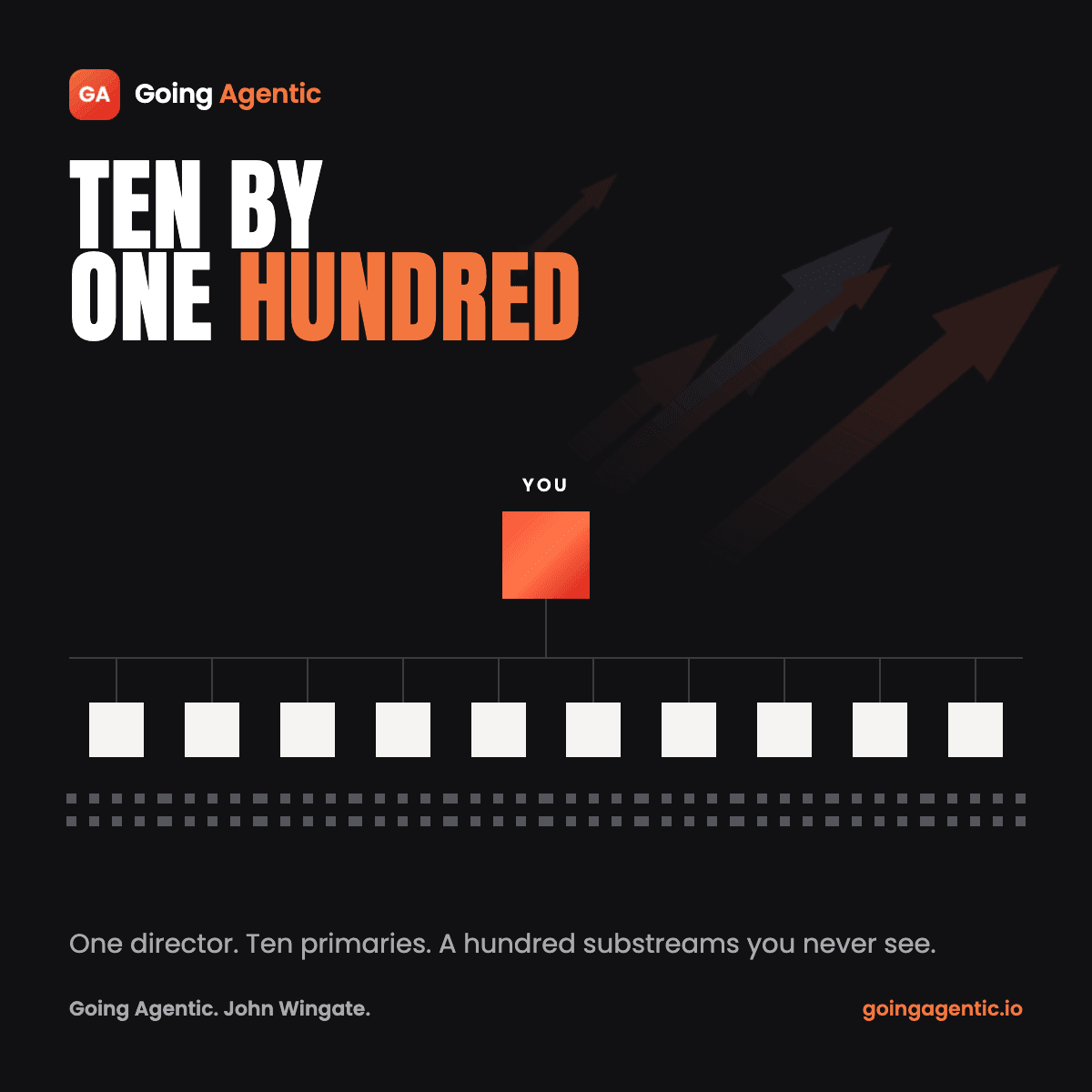
Ten streams. A primary each. The substreams were never yours to watch.
What the book actually is
A blueprint, not a survey of the field
This is not a book about which model to use. Models change every few months and any book organized around them is obsolete before it ships.
It is a book about structure. How to name your streams. How to write intent that survives contact with a system that will take it literally. How to design escalation so the right things reach you and the rest do not. How to judge a report you did not watch get made. How to argue with a system that is confidently wrong, ten times at once, which is a different cognitive act than arguing with one.
Inside
The ideas you will use
Ten by One Hundred.
Why directing ten produces a hundred outcomes, and what that does to your attention.
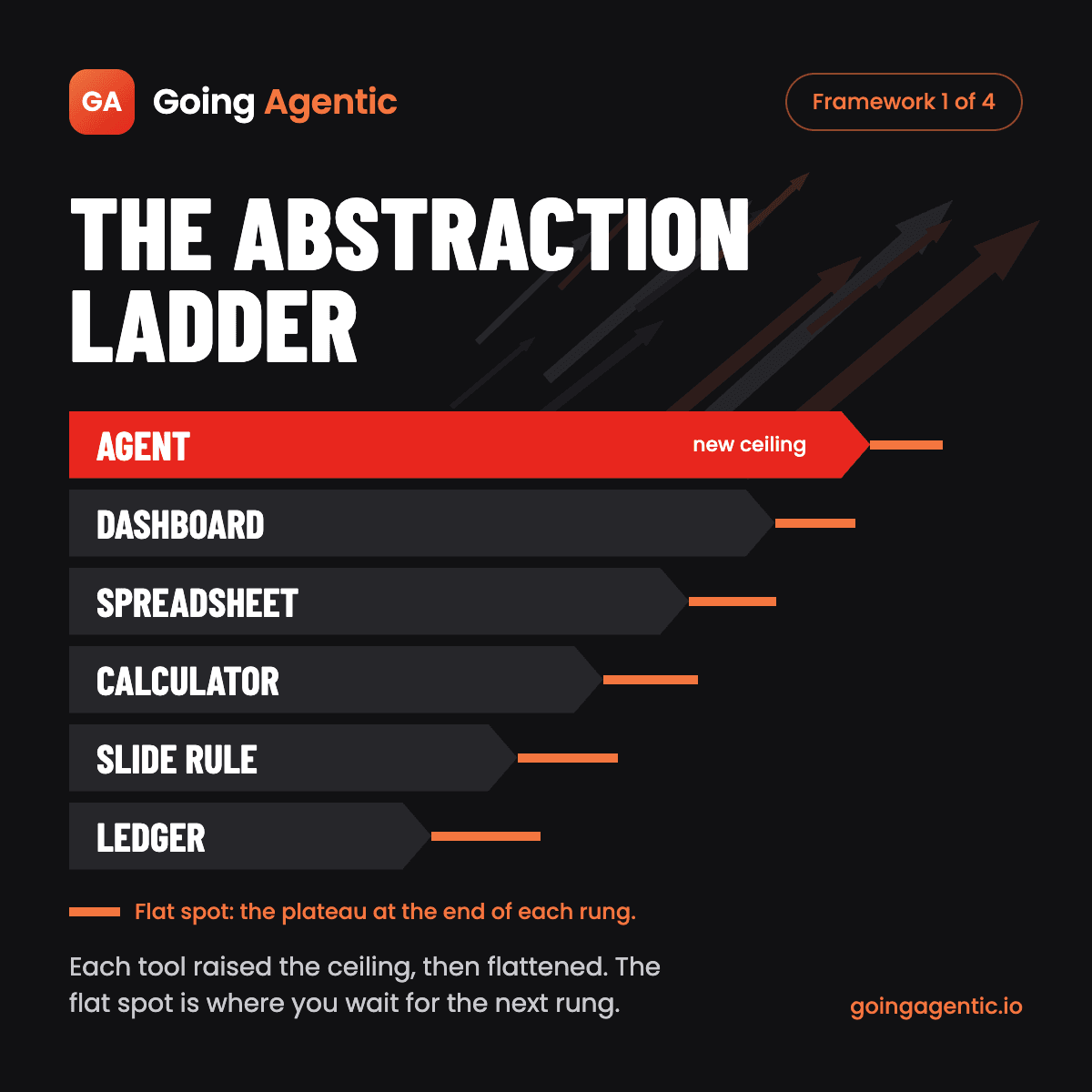
The Abstraction Ladder.
Ledger, slide rule, calculator, spreadsheet, dashboard, agent. Transitions take as long as it takes to pay down their toll booth. This rung has no toll booth.
The Integration Layer.
You are the connective tissue between twelve applications that will never introduce themselves. Total access, zero leverage.
The Flat Spot.
The plateau where the tools improved and the work did not move. Invisible from inside, because everyone is in it.
Divergence, not error.
Work that is individually acceptable and collectively incoherent is not broken. It is under-specified.
Don’t instruct where you can architect.
A constraint is a request. A missing permission is a fact.
A job description is not an architecture.
A role is a bundle of tasks that fit one person’s hours. Replicate the bundle and you get the accident without the human who made it work.
Execution is a place to hide.
When you are doing the work, you never have to know in advance what you want.
Begin with two, not with ten.
Everyone starts with ten. Everyone regrets it.
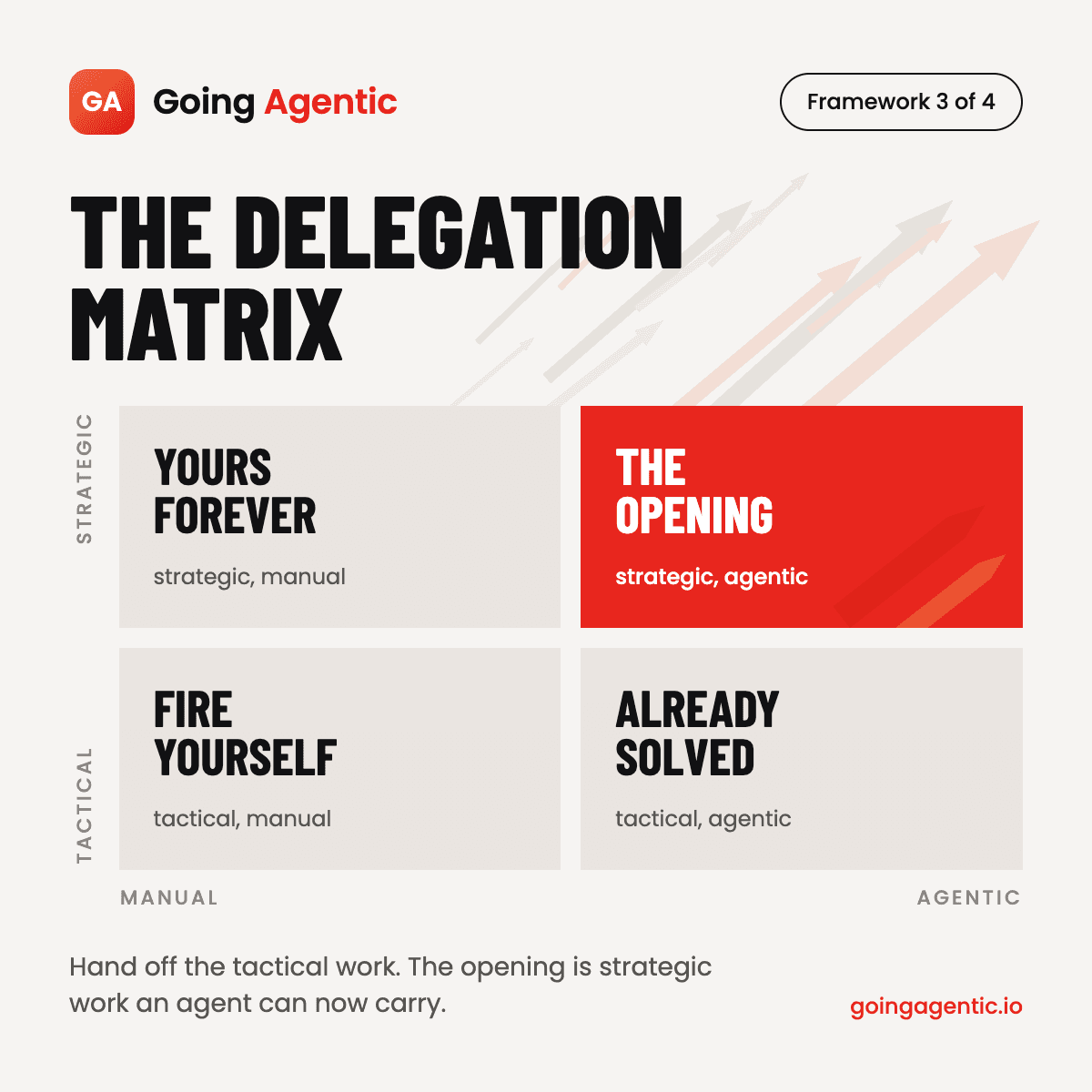
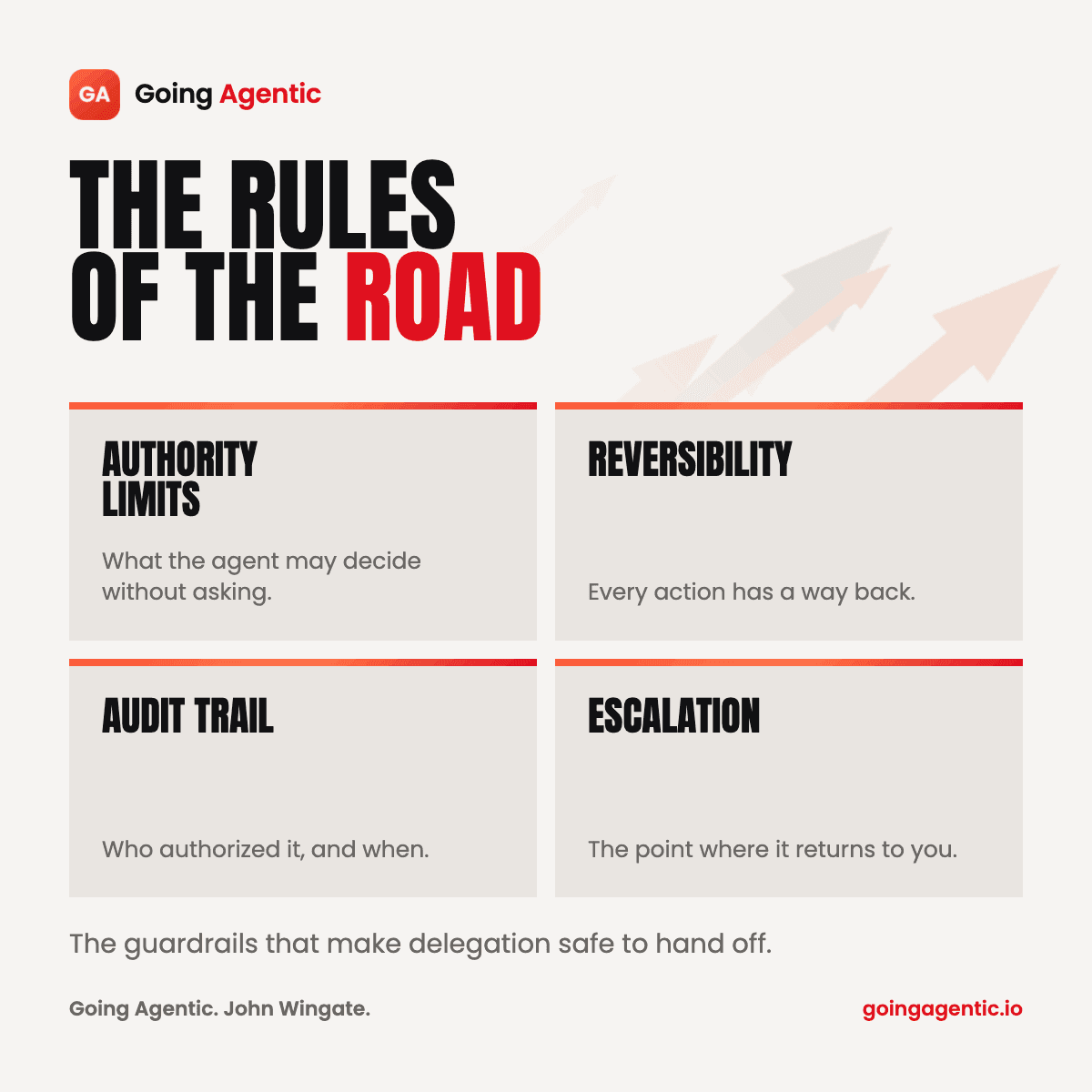
Portable · Printable
The frameworks you take to work.
Who it is for
Written for the person, not the org chart
This is a book for an individual with a career, not for a transformation office.
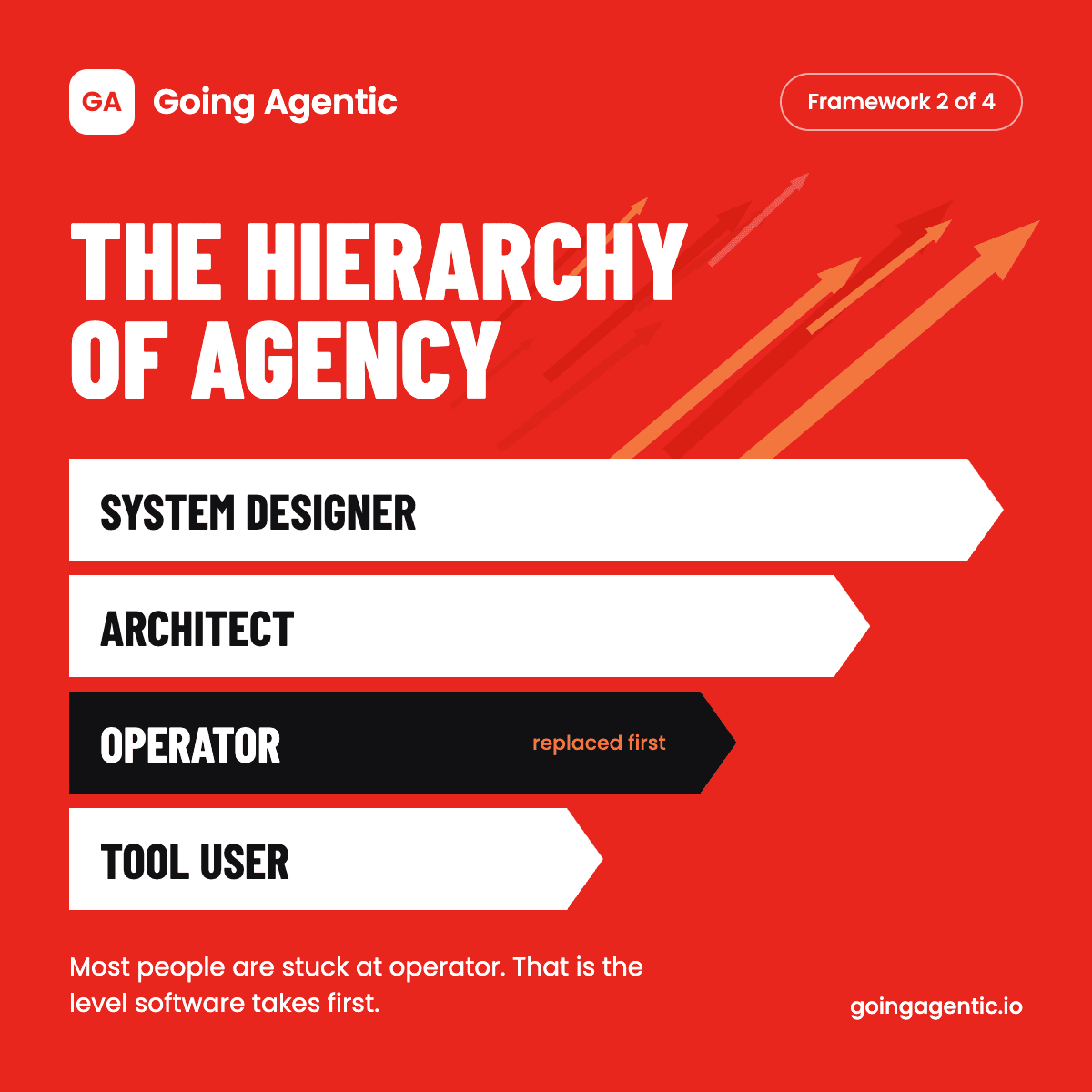
For the engineer who reviews architecture decisions made by something else and still signs the pull request. For the operator whose process now runs without them. For the founder doing the work of a team that does not exist yet. For the manager who noticed that the reports coming up to them are now assembled rather than written.
The honest description of what is happening to most people is not delegation. It is becoming a manager for the first time, without the title and without anyone teaching you. Individual contributors were never taught to manage, because there was nothing to manage. That changed, and almost nobody has said it out loud.
The gate
The book comes with the rest of the system.
There is a QR code and an access code in the back of the book. Scan it or type it, and you get two things.
The Field Guide
The execution layer. A five-step method for finding your streams and writing standing intent, stream libraries organized by what you actually do, and industry overlays for anyone working under regulation. It names categories of tool and never products, because products turn over every few months and the method does not. Updated without reprinting the book.
Virtual John
An agent that has read the manuscript, answers in the book’s frameworks, and takes your actual workflow as input. It will tell you when John did not write about something rather than guessing.
A book arguing you should delegate to systems that act on your behalf, shipping with one that acts on the author’s. That is deliberate.
The standout
Virtual John answers in the book's frameworks.
An AI that has read every page. The book argues you should delegate to systems that act for you. This is one of them, acting for John.
The product is the thesis
A book that tells you to hand work to systems that act on your behalf, shipping with a system that acts on John's. You are looking at the argument, running.
It answers to your work
The book tells you to name your ten streams. Everyone's ten are different, and print can't respond to that. Bring your actual workflow and Virtual John answers in the book's frameworks.
It tells you when it doesn't know
It answers in the book's frameworks, or it tells you John didn't write about that. That is the whole promise, and it reads as confidence.
Every copy ships with a code that unlocks Virtual John.
The honest part
The work got faster. Then the floor moved.
This isn't an escape book. Expectations of output rose seven to eightfold, not because anyone works faster, but because the job changed from doing the thing to directing many streams of it. You approve more than you could ever produce, and your ability to judge any one of them didn't move.
Output expectations reset upward and stayed there. Nobody sent a memo. Last year's stretch goal is this year's baseline.
You direct ten streams. Each one directs ten more. The ceiling on what a person can hold hasn't moved. What fits underneath it has.
The primary's real job is deciding what reaches you. Design the escalation, not the execution.
Available now
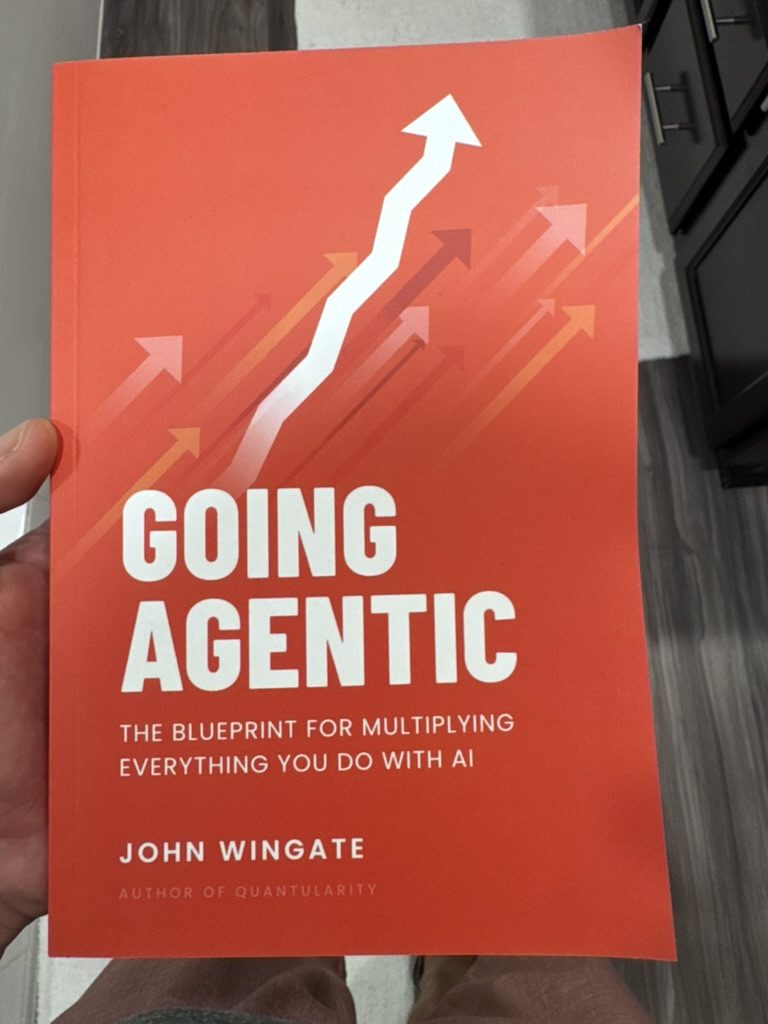
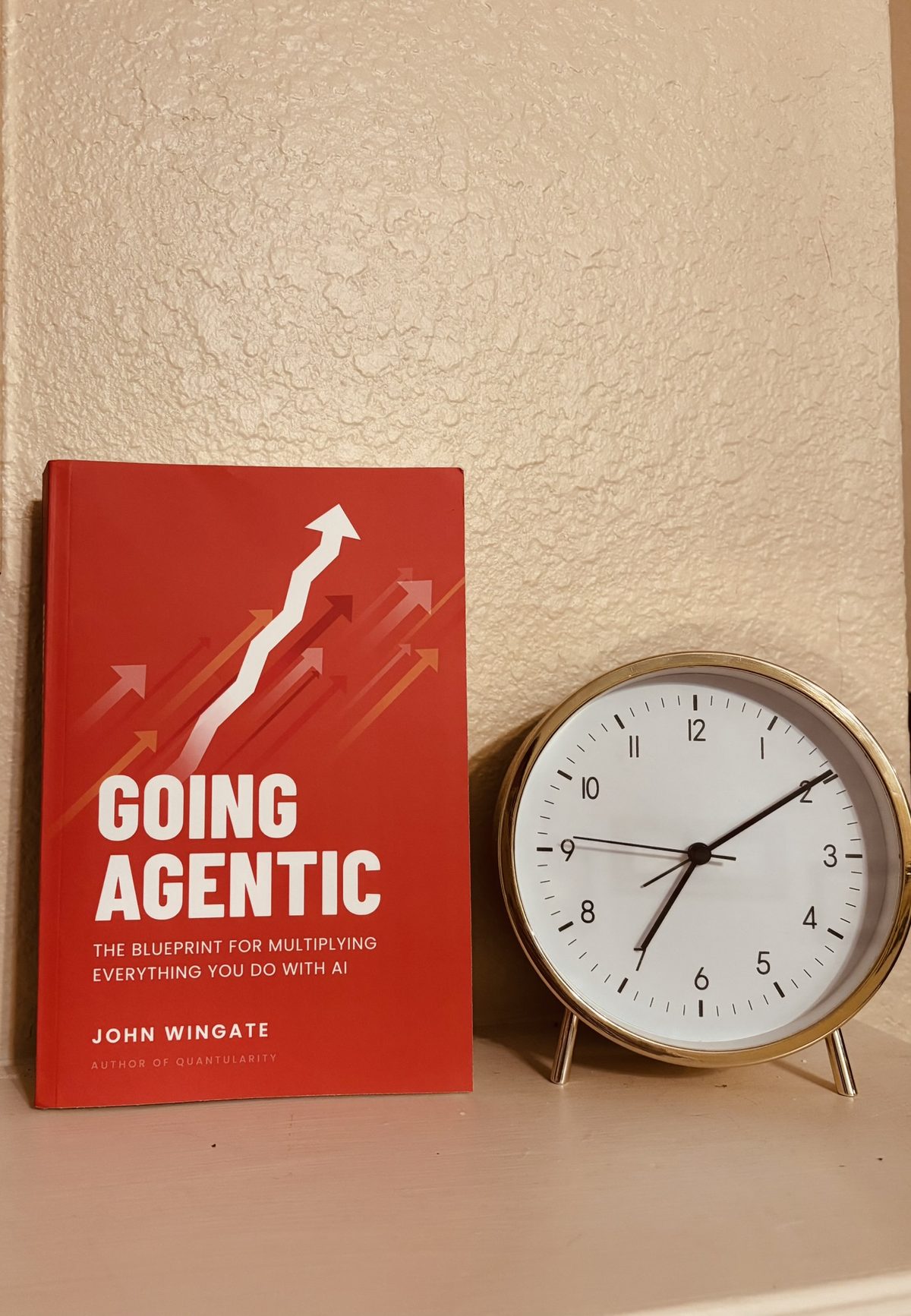
Going Agentic is out
Get it on Amazon in print, Kindle, or audio. Leave your email for Field Guide updates and new essays.
Get it now
Get the bookPrint, Kindle, and audio. The access code is printed in the back of the book and spoken in the audio edition.
About the Author
John Wingate

Web3 Hub · Davos 2025
World Economic Forum
John Wingate is the founder and CEO of BankSocial, where he builds infrastructure that lets credit unions and community banks deliver secure, user-controlled financial experiences across both traditional and decentralized rails.
He has spoken at the World Economic Forum in Davos and at Google Next, and has collaborated on fintech initiatives at Harvard, MIT, and King’s College through the Converge Accelerator and the Converge Institute.
He has been in technology his entire life and spent most of it on how systems behave under pressure. Security, reliability, incentives, and human behavior at the edges. Machine learning since the mid-2000s, sparse distributed representations with Numenta, and a patent pending on an agent-to-agent system.
In April 2025 he argued on a stage at Google Next that hallucination is mostly a contextualization problem. In May his own team produced exactly that failure, and it took him weeks to recognize it, because nothing was wrong. It just did not cohere. That month is in the book.
Going Agentic is not written from the outside. The restructure it describes is one he ran.
Prior work
Quantularity argued that we were building a measurement layer over everything, instrumenting the world so humans could read it. That part happened.
Going Agentic is about what came next. Something else reads that layer now, and it acts without asking first.
Send John a Message
Press, podcasts, speaking, partnerships, consulting, software development, AI as a Service (AIaaS), or just a thought from the book, messages land in his inbox directly. No forms, no middlemen.
The trilogy
Measure. Act. Settle.
Quantularity measured the world. Going Agentic is what acts on the readings. A third book asks what holds when everything acts at once.
Going Agentic
Acts on the readings.
Stablenomics
What holds when everything acts at once.